
Let’s start with the fact that we’re not professional athletes and can’t build our lives around training. Still, sport, exercise and training are important pieces of the puzzle that is our life. And if we’ve decided to head into the mountains, we really can’t afford to neglect that piece.
But, as I’ve said, we also have work, home, family and studies in our lives, so we can’t spend a huge amount of time training.
How much time to set aside for training
I’d still recommend setting aside two hours on three days a week. That’s six hours a week in total. Let’s take Monday, Wednesday and Friday as our training days. Of course, they can be any other days.
Warming up
A workout should start by getting your body and nervous system ready for the effort ahead: warming up, loosening up and stretching. There are plenty of ways to do this. My own warm-up takes about 15 minutes.
Steady cardio
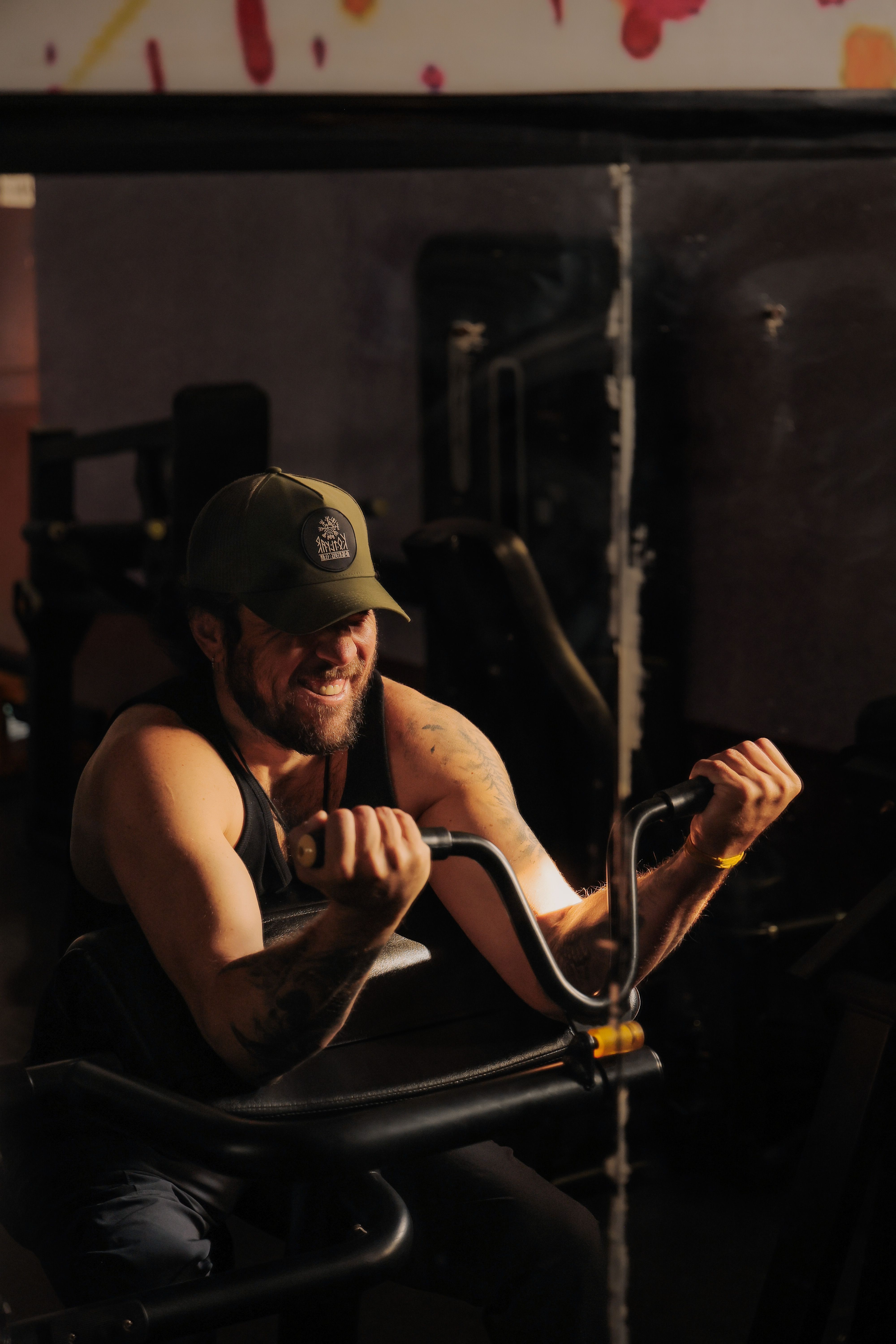
Next, I recommend spending an hour on steady, repetitive exercise. Personally, I think this kind of work, long stretches of steady cardio, is the foundation on which we’ll build our fortress: our body.
What exactly should you do? Running is an obvious option. But lately I’ve found two good alternatives, specifically for preparing for mountain climbs, treks and hikes.
The first is a stair-climbing machine that looks like a section of escalator. It’s a great alternative to running, especially if you’re getting ready for Nepal. There’s no impact on your knees or lower back, and over time you can increase the load without any risk to your health by adding ankle weights to mimic the weight of mountain boots, and a backpack.
Regular Zone 2 training on this machine will turn you into a trekking beast.
The second alternative to running that I’ve enjoyed is a manual treadmill. It has a lever for adjusting the resistance. Set it to “sled push” mode and work in that mode for an hour.
Whenever I’ve used this treadmill in that mode, I’ve found myself thinking back to my seasons in Antarctica and my climb of Denali in Alaska. The effort really does feel close to what you experience when you’re hauling a sled. Take my word for it: I’ve covered hundreds of kilometres through the snow with a sled behind me and a backpack on my shoulders.
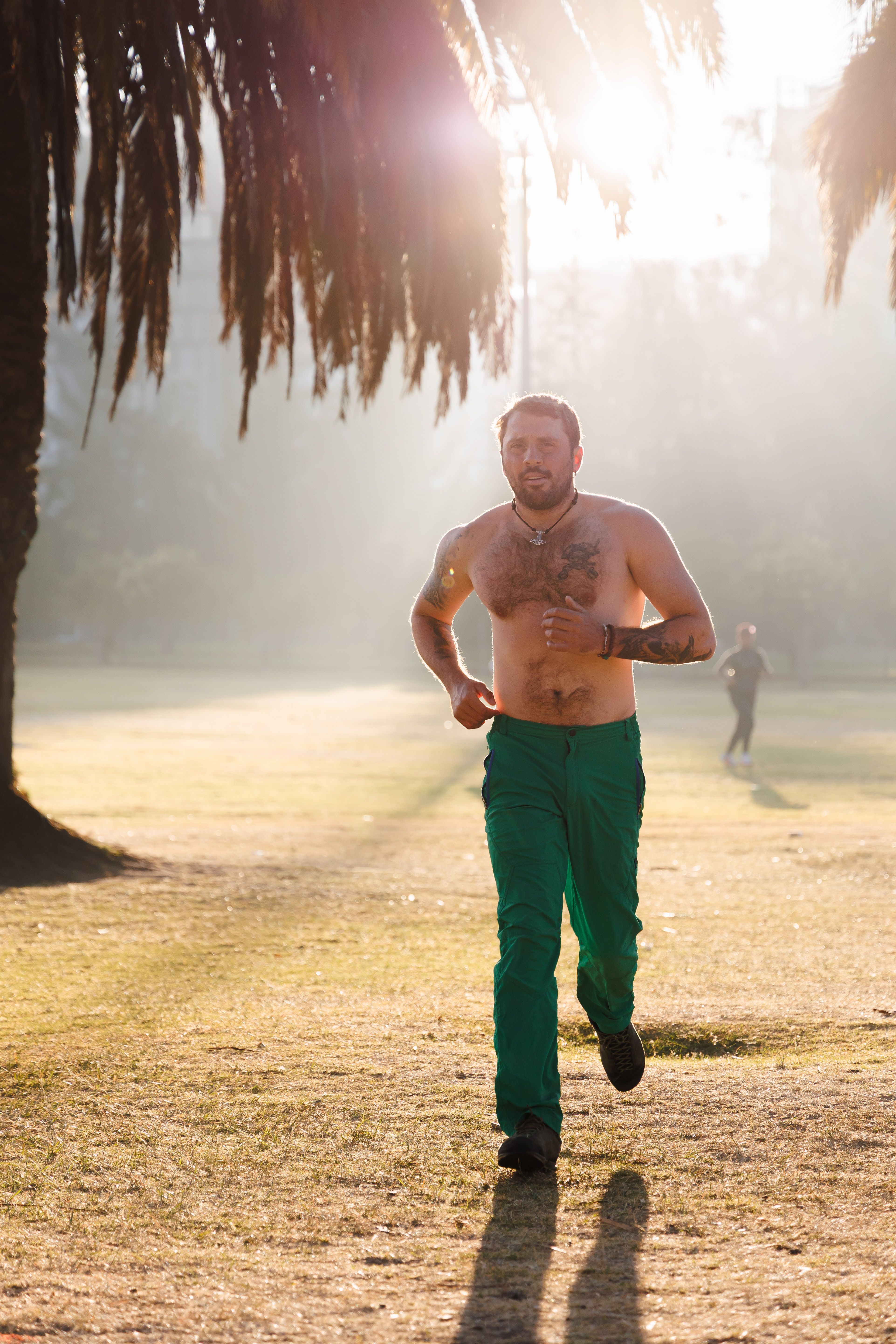
Of course, you can mix things up with other good options, such as running, an air bike or cycling. They’re great training tools for building our endurance.
Whatever you choose, I recommend doing this work in heart-rate Zone 2 three times a week. Yes, you can and should do intervals and push yourself much harder, but only once you’ve built a solid foundation and your body, lungs and heart are ready for that kind of effort.
Strength training
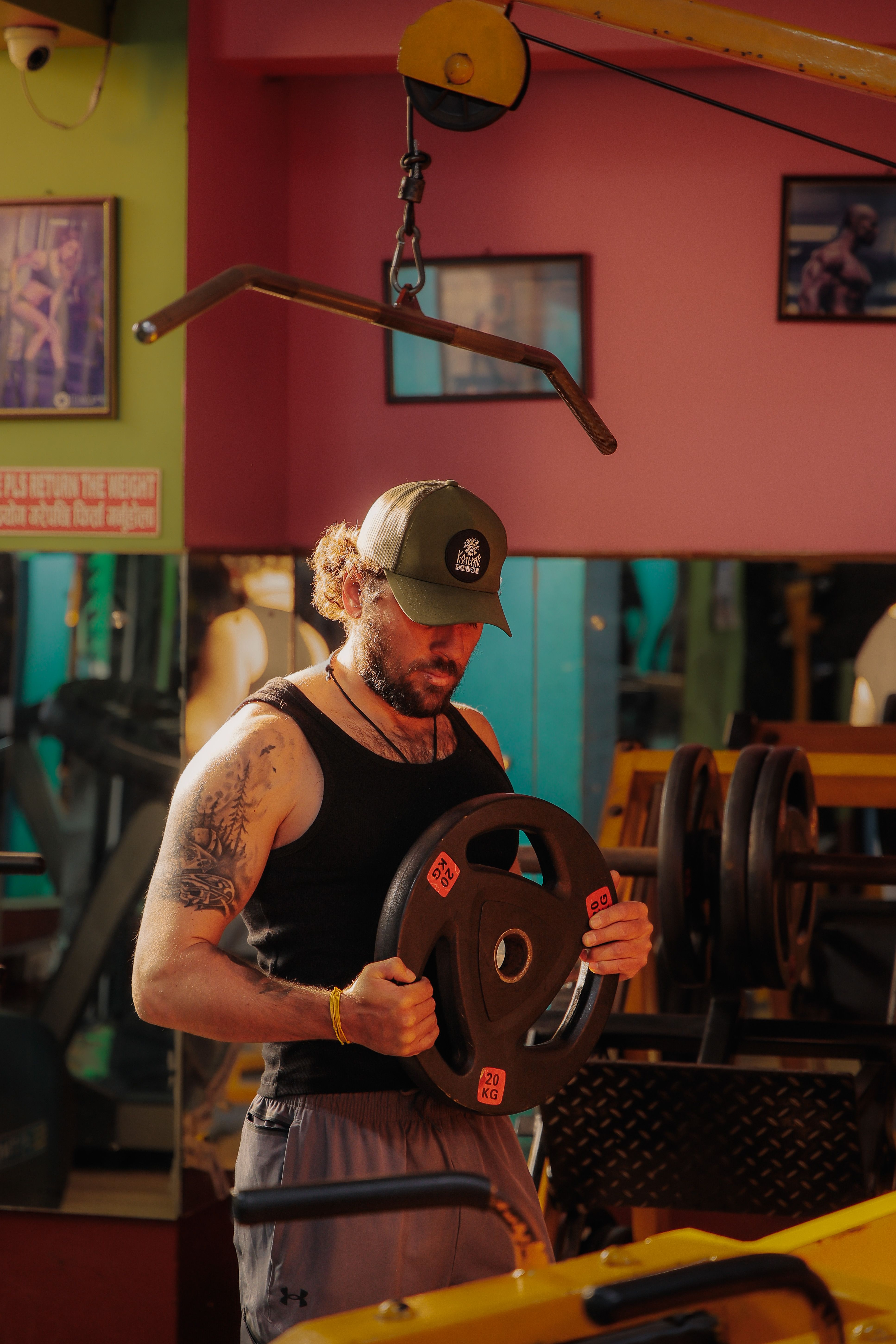
After the cardio, I recommend adding a short full-body strength session, with an emphasis on the legs, of course, because they’ll be doing most of the work.
Here are some exercises you could include:
1) Pull-ups or an alternative: lat pulldowns, rows or inverted rows. You can switch between different options from one workout to the next.
2) Push-ups or other pressing exercises: for example, dips, flat or incline barbell bench presses, or machine presses.
3) Ab exercises. Pick whichever you like. My favourite is hanging leg raises to the bar.
4) Back extensions or hyperextensions. Don’t forget to strengthen your lower back and the whole posterior chain. We don’t see our lower back in the mirror and often neglect it, but the muscles that support our back are very important.
5) Legs. Squats are the gold standard for leg training. Personally, though, I prefer reverse lunges or Bulgarian split squats. Choose whichever exercise you like, or alternate between them.
6) Calf raises to strengthen your calves.
Getting your knees ready for the descent
Those six exercises are plenty for your strength routine. But if you add some work to strengthen your knees and get them ready for the descent, that’ll be even better!
For me, the best way to prepare my knees for going downhill is walking backwards uphill on a 25–30% gradient.
You can’t always find the right terrain near home, though, so you can replace this exercise with Patrick steps or similar exercises. More generally, there are plenty of ways to strengthen your knees, including exercises with resistance bands or machines.
Consistency is the key
Of course, further down the line you can add more variety: a climbing gym, sport-specific conditioning, intervals and so on. But even the basic routine I’ve described will be enough to keep your body in shape so you don’t feel like you’re dying while travelling along mountain trails with a backpack.
The main key to success here is consistency!
And don’t forget to cool down and include some gentle cold-exposure practices to strengthen your immune system. Adjust the load to suit you, and remember that training loads don’t have to increase in a straight line. With a coach or on your own, put together a programme you can fit into your schedule.
Most importantly, enjoy the process itself. Don’t chase big results here and now. Consistency, a sensible approach, persistence and hard work are the keys to success.
Get ready for the mountains, and your mountain adventures will stop feeling like mountain ordeals and bring you even more joy and happiness.
Big hugs to everyone. Warmth of the Earth.