Aloha, Wanderers!
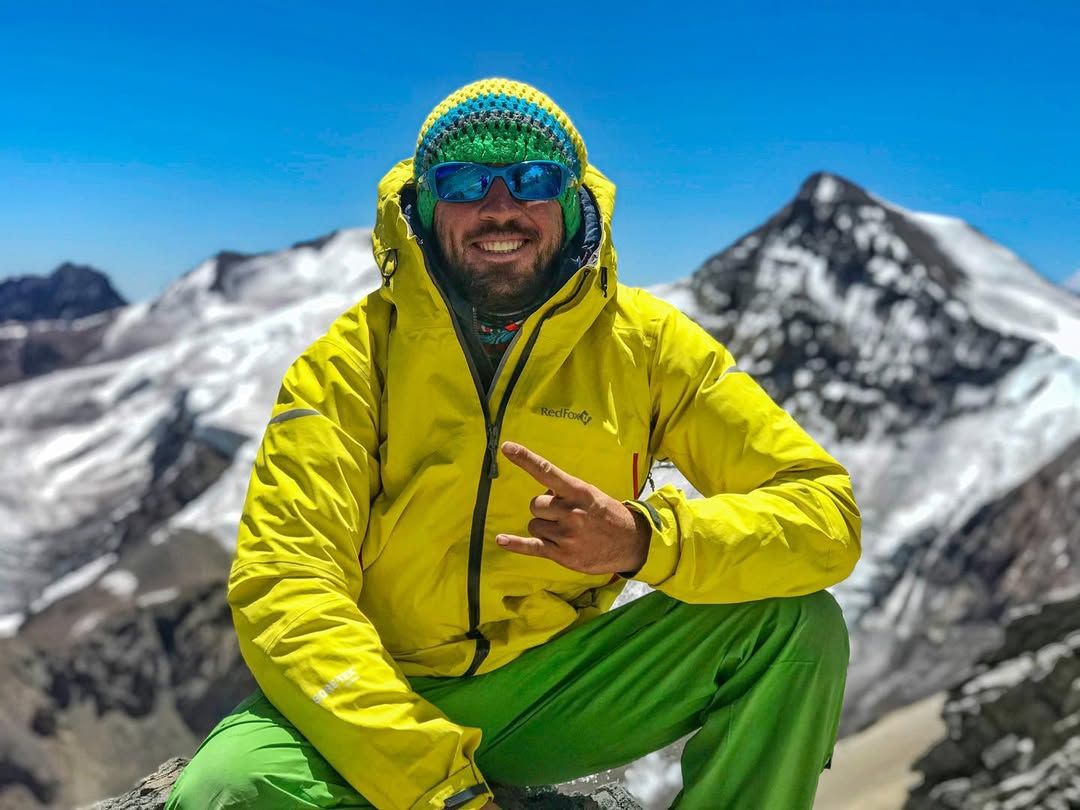
I'm Vladimir Kotlyar.
It all began with a big childhood dream of travel and adventure. I've carried that dream through my whole life, nurturing it, helping it grow and making it real. As a child, I read about distant countries, expeditions and people who ventured beyond the horizon, and dreamed of seeing it all with my own eyes one day. That dream didn't fade when I became a teenager. It grew stronger. I made a list of skills I'd need to learn to build a life around travel, expeditions and adventure. Mountaineering was on that list.
How I found the mountains
I started going into the mountains at 14 with a youth hiking club. In 2006, I joined a mountaineering club and began going on climbing camps regularly. I've been working as a mountain guide since 2010.
Elbrus is where I learnt to guide. I've reached its summit more than 130 times, from different sides, by different routes and in all kinds of conditions. You'd think it's the same mountain every time. But no two ascents are alike. The weather, the route conditions, the people in your team and you yourself all change.
One person needs encouragement; another needs to slow down a little. Sometimes you need to keep going, and sometimes you need to turn around and come back another time. A guide has to recognise the difference. The summit isn't going anywhere.
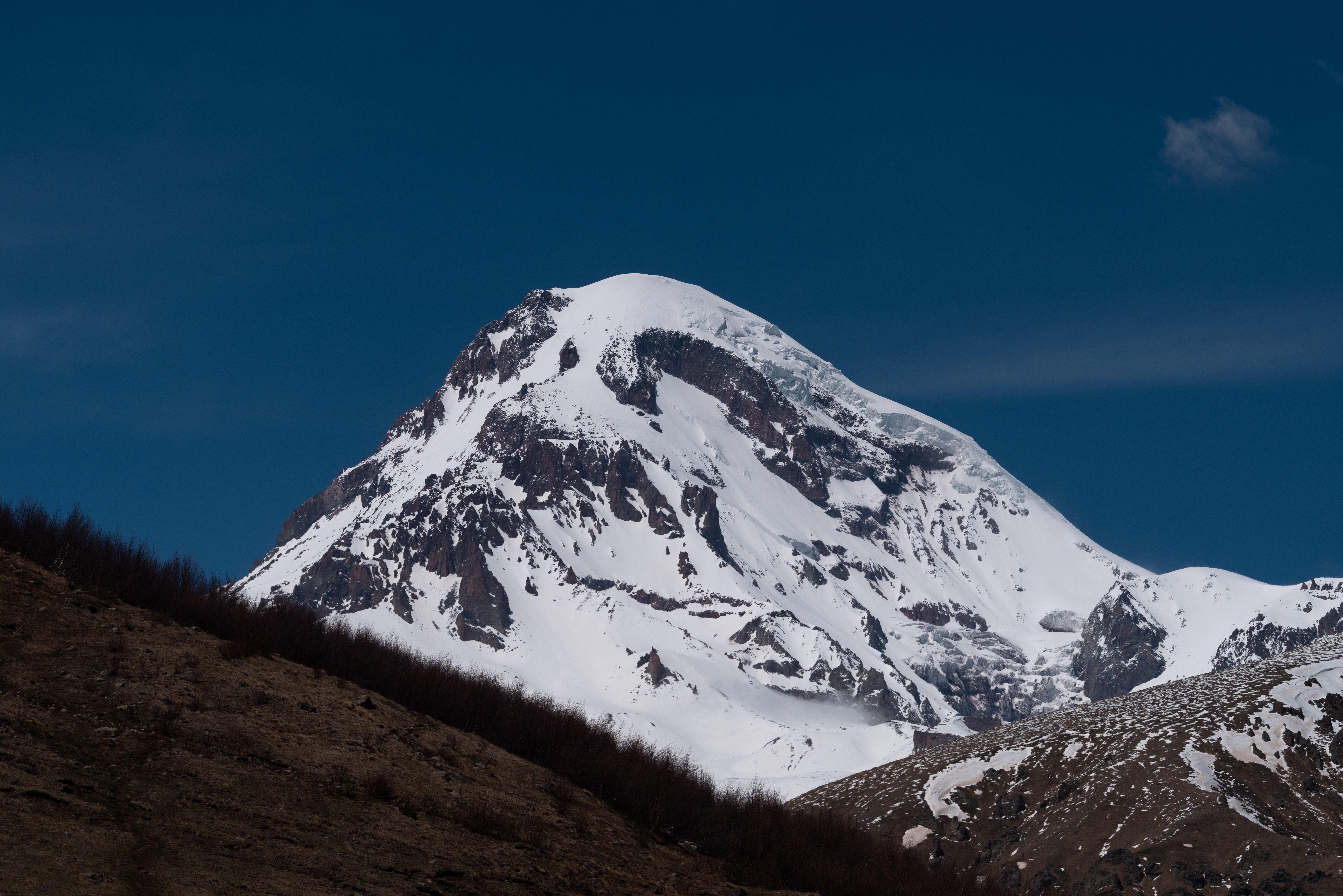
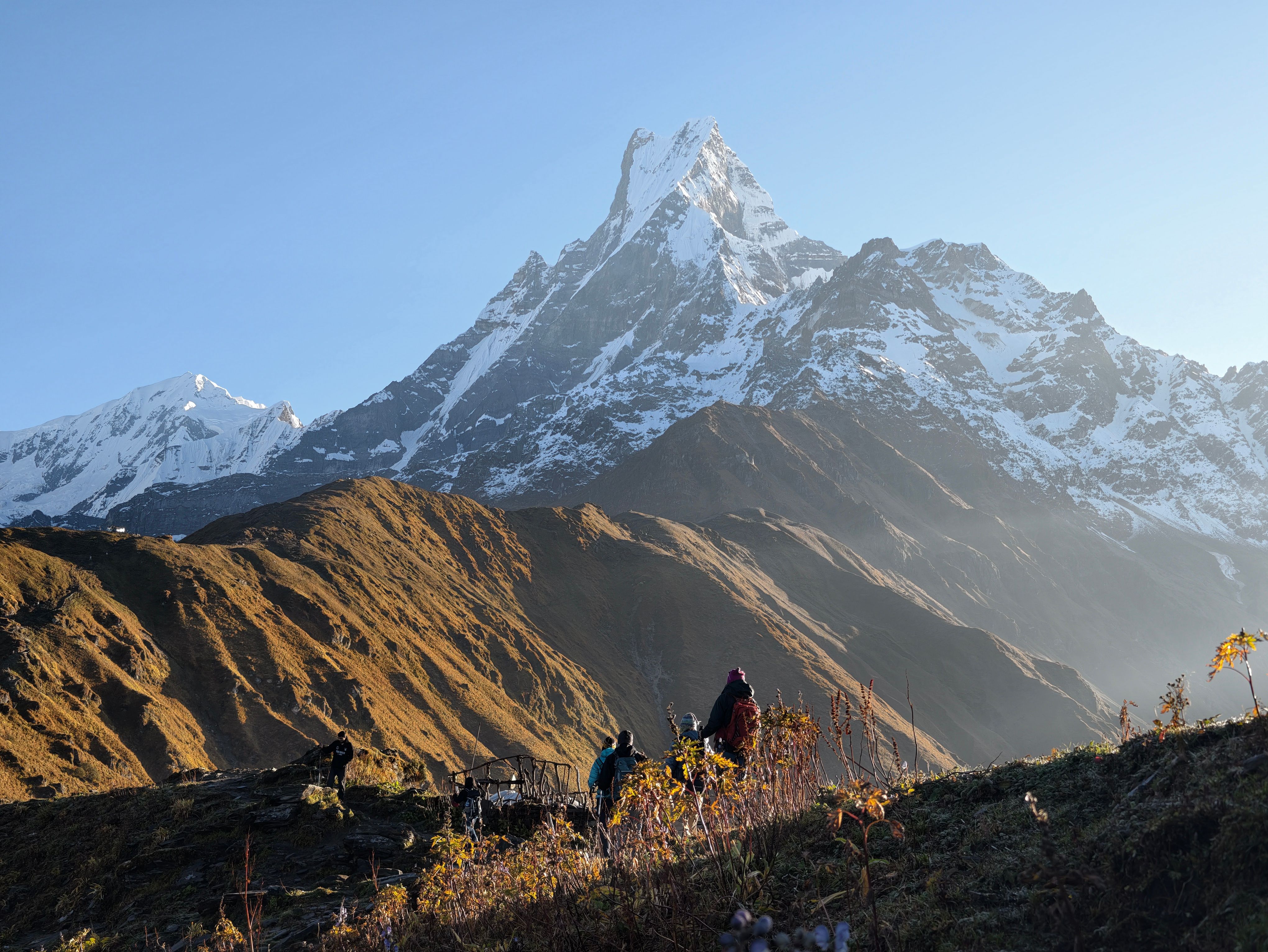
That same season, in 2010, I went to guide on Kazbek, and then on Island Peak in Nepal. That's how the Himalayas came into my life: the biggest mountains on the planet, which now feel almost like home.
The Seven Summits
In 2019, I was fortunate enough to complete the Seven Summits, finishing a journey of many years with an ascent of Denali, the highest peak in North America.
Along the way, I climbed:
• Elbrus — more than 130 times
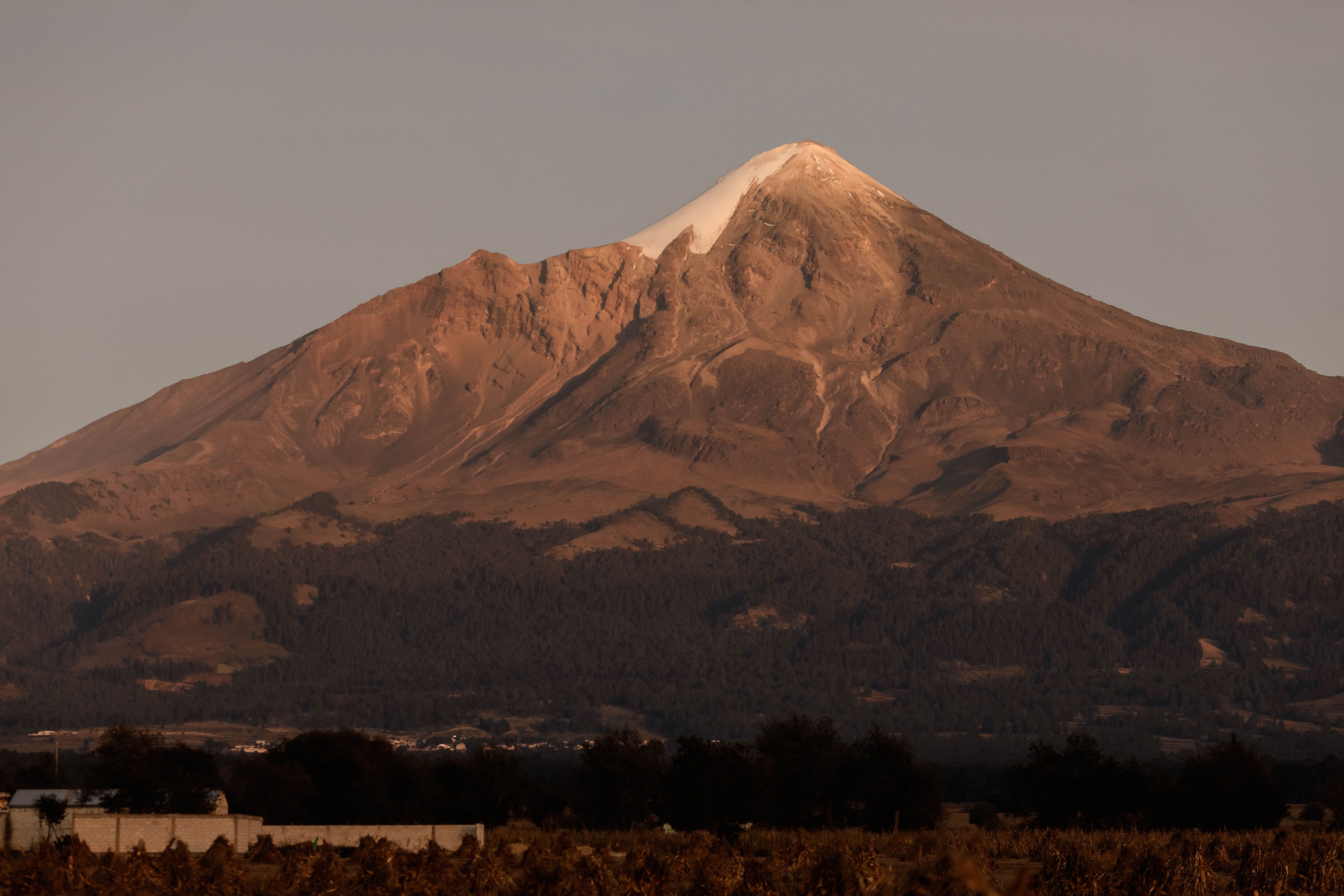
• Aconcagua — 26 times
• Vinson Massif — 9 times
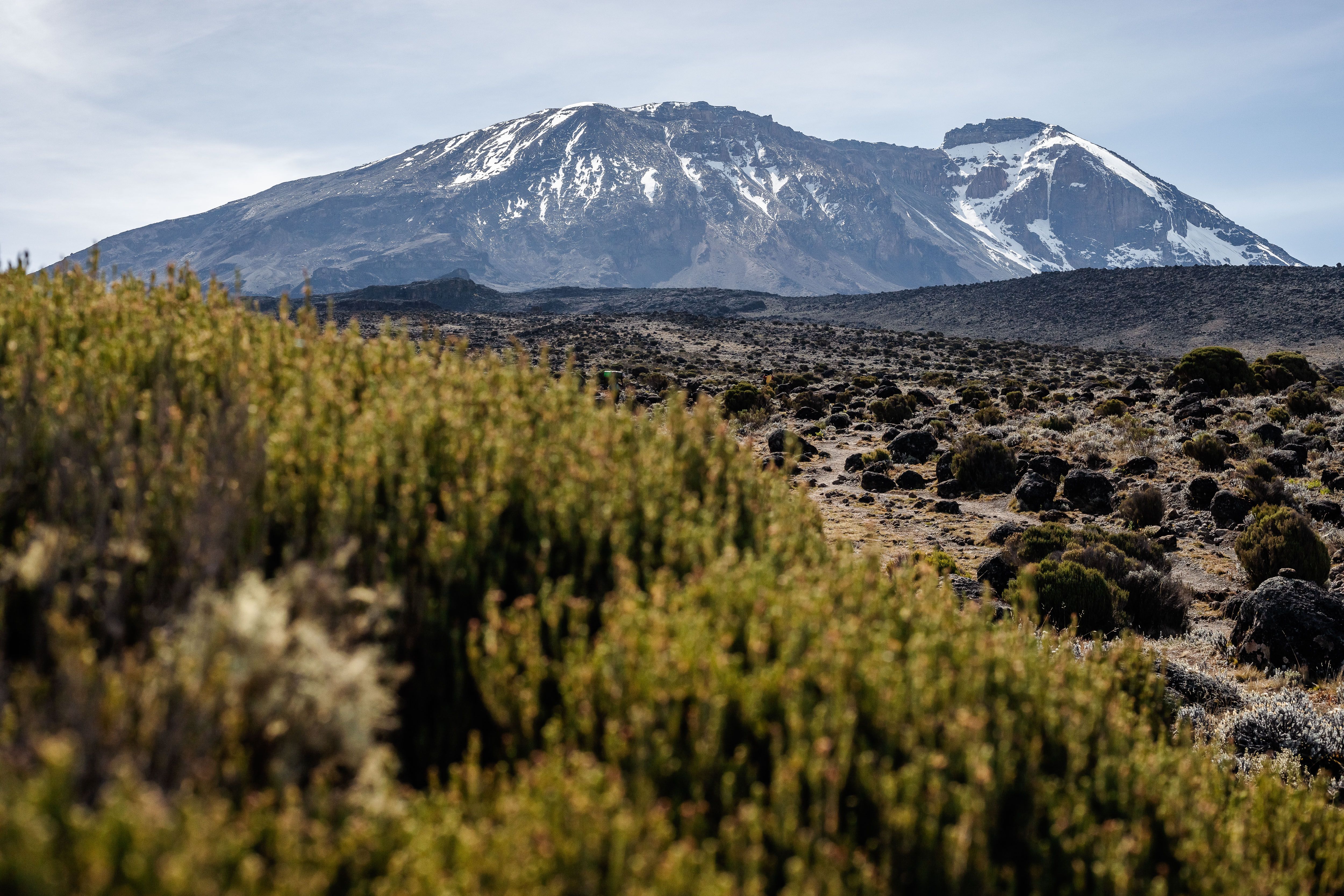
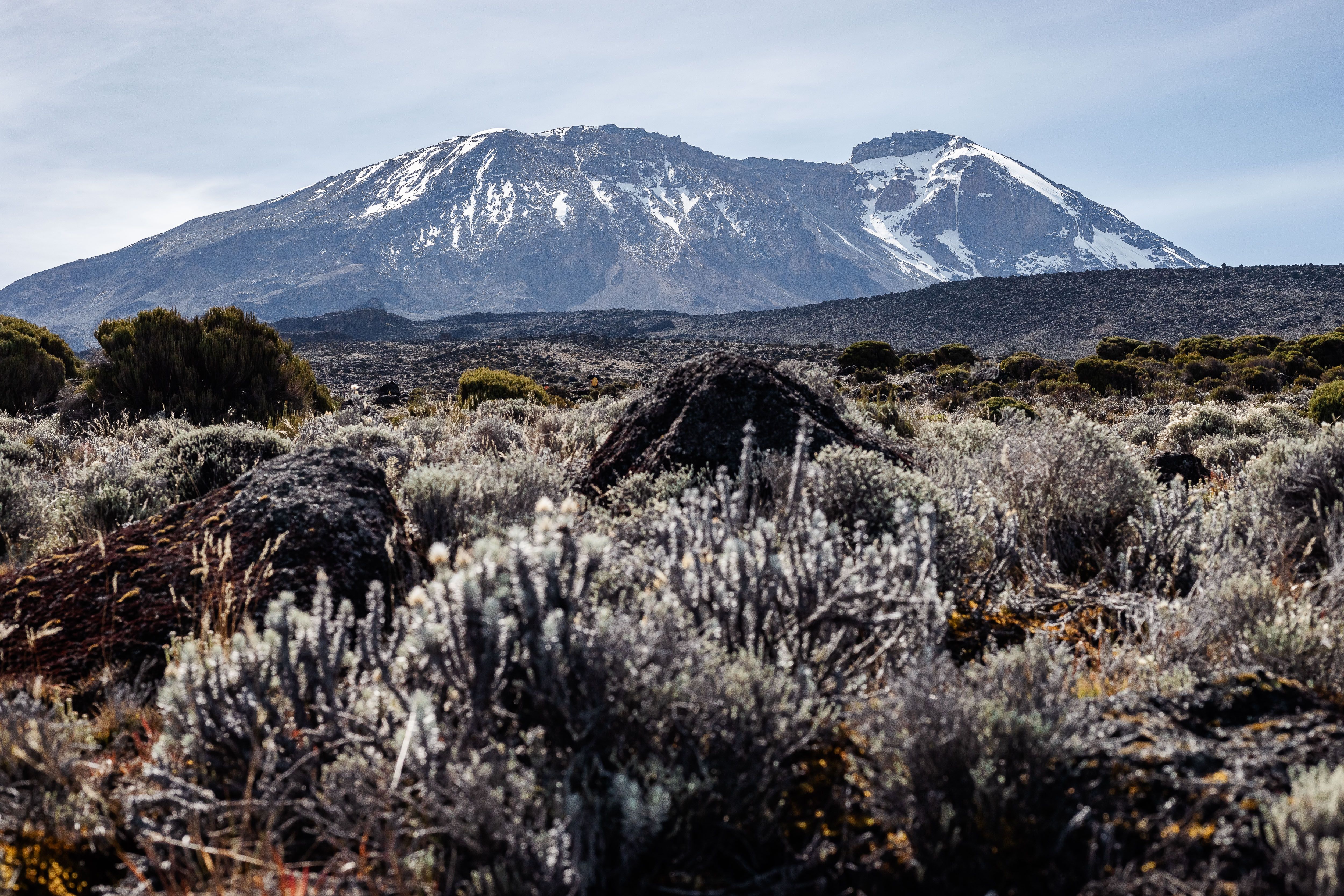
• Kilimanjaro — 10 times
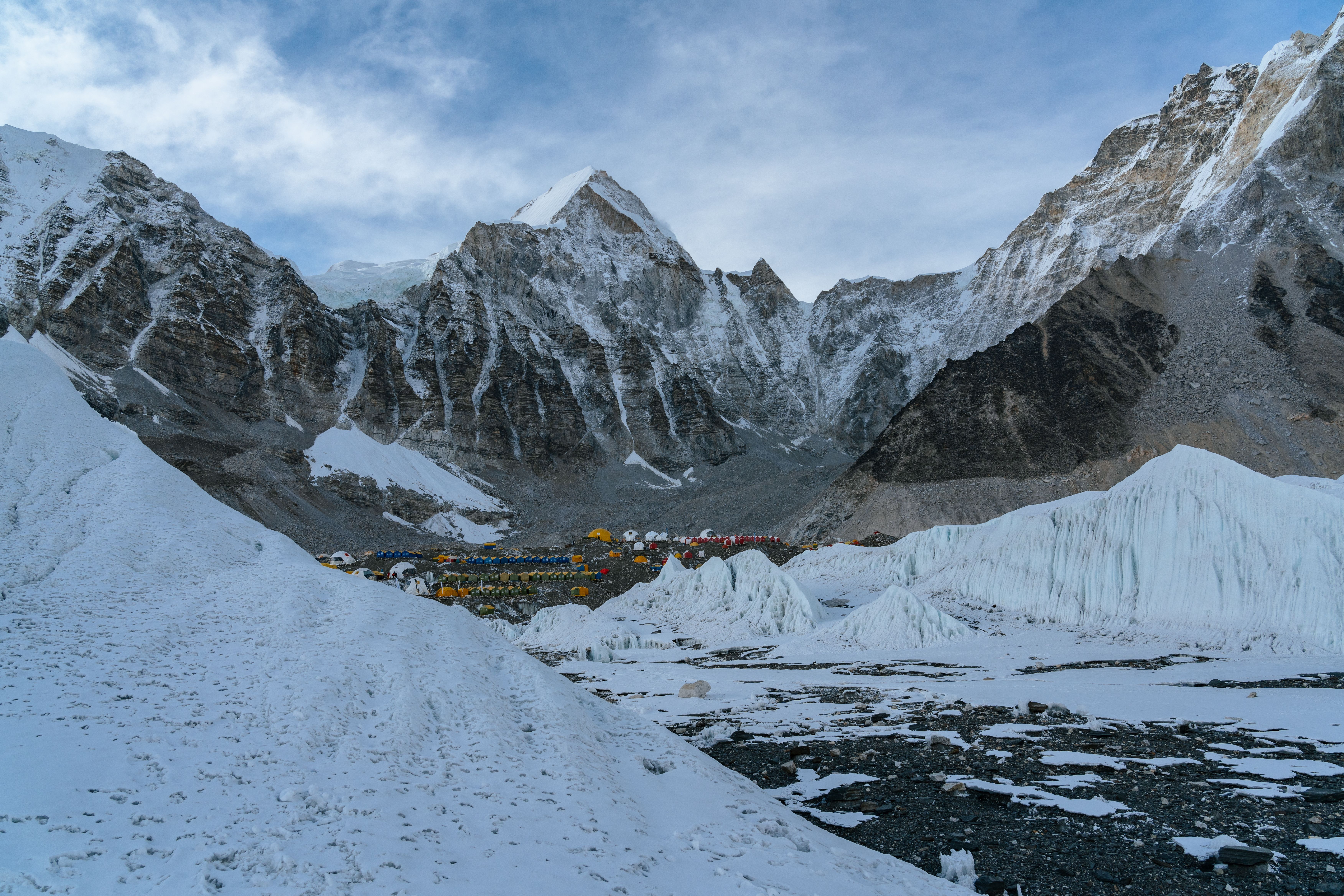
• Everest — 5 times
• Carstensz Pyramid — once
• Denali — once
To me, this is more than a list of summits. I worked as a guide on all of these ascents. When you're climbing for yourself, you're responsible mainly for yourself. When you're leading a team, you're constantly watching how people are doing, their pace, acclimatisation, the weather and what's happening on the route.
Eight-thousanders
Eight-thousanders are a story of their own in my life.
I first climbed Everest in 2016, working with the crew of the film Gen Vysoty. That ascent was the start of my journey towards climbing all 14 eight-thousanders.
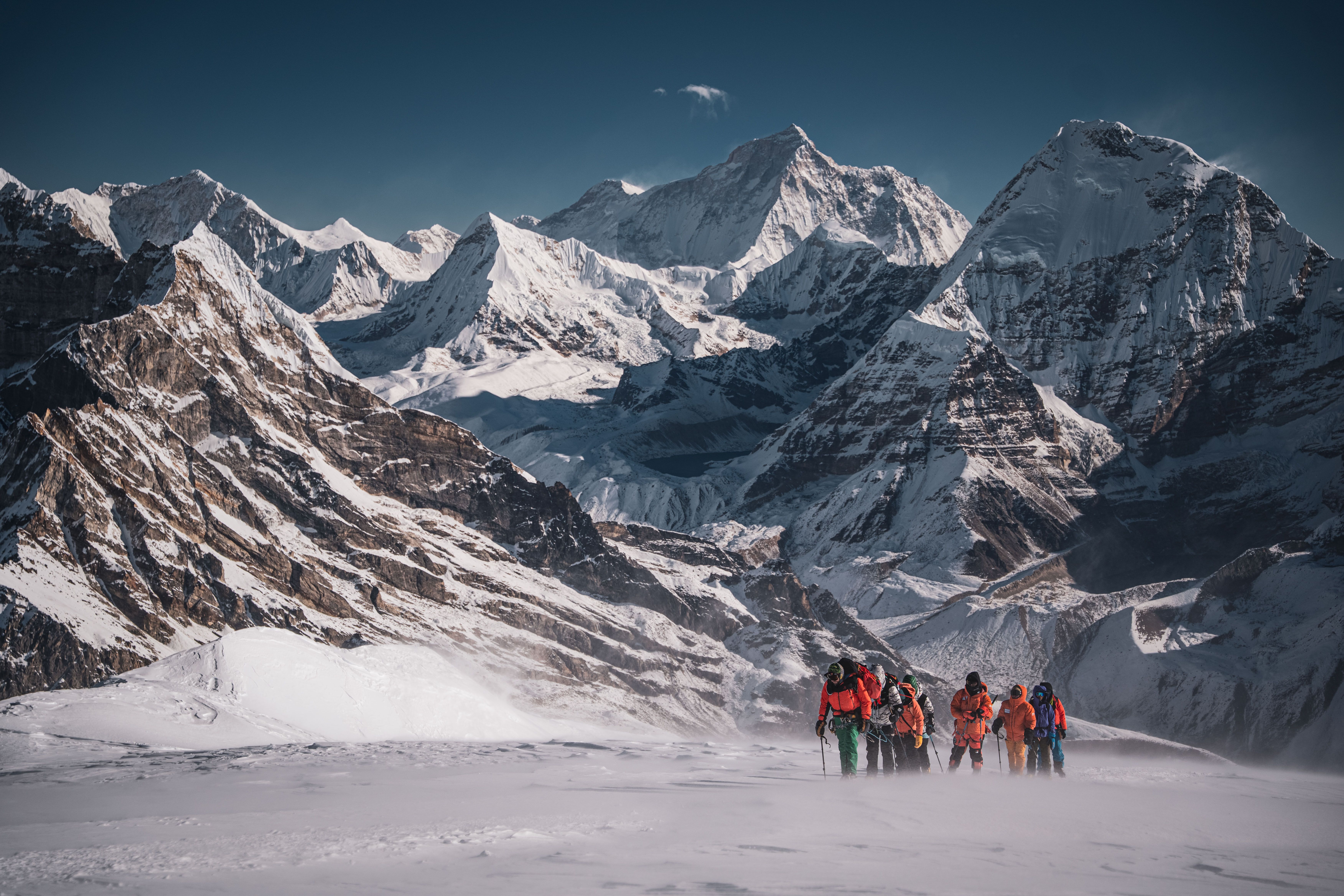
I've now made 15 successful ascents above 8,000 metres, on seven different peaks:
• Everest — 5 times
• Manaslu — 3 times
• K2 — 2 times
• Makalu — 2 times
• Dhaulagiri — once
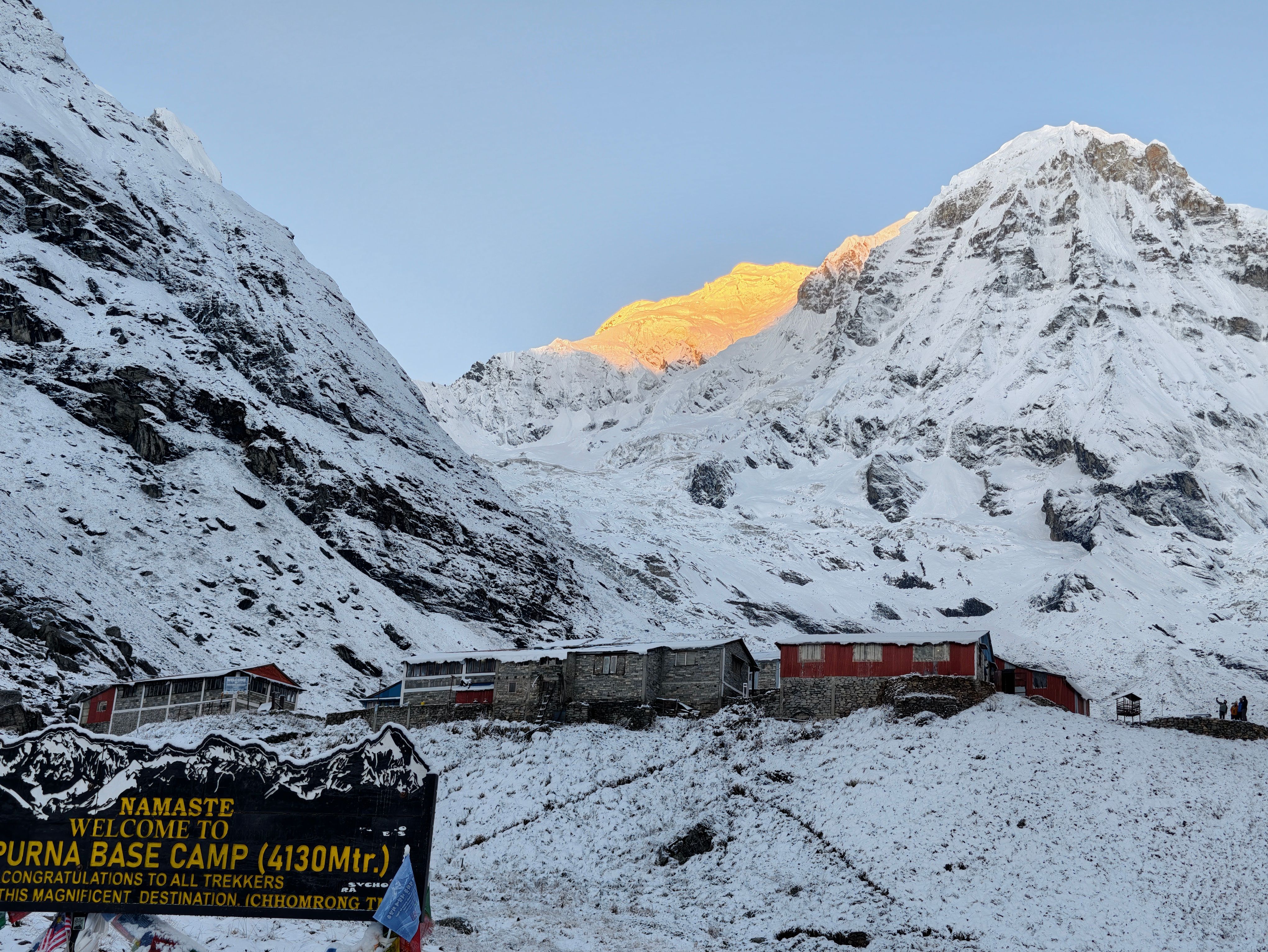
• Annapurna — once
• Lhotse — once
In 2026, I climbed Annapurna and Lhotse for the first time.
High mountains have a strange pull. Physically, you feel bad up there more often than good: it's cold, it's hard, and there's little oxygen. Yet I'll often be thinking about the next mountain while I'm still on the way down. Perhaps because, for me, climbing is less about the feeling at the summit and more about a dream, and the whole journey towards it.
Beyond the high mountains
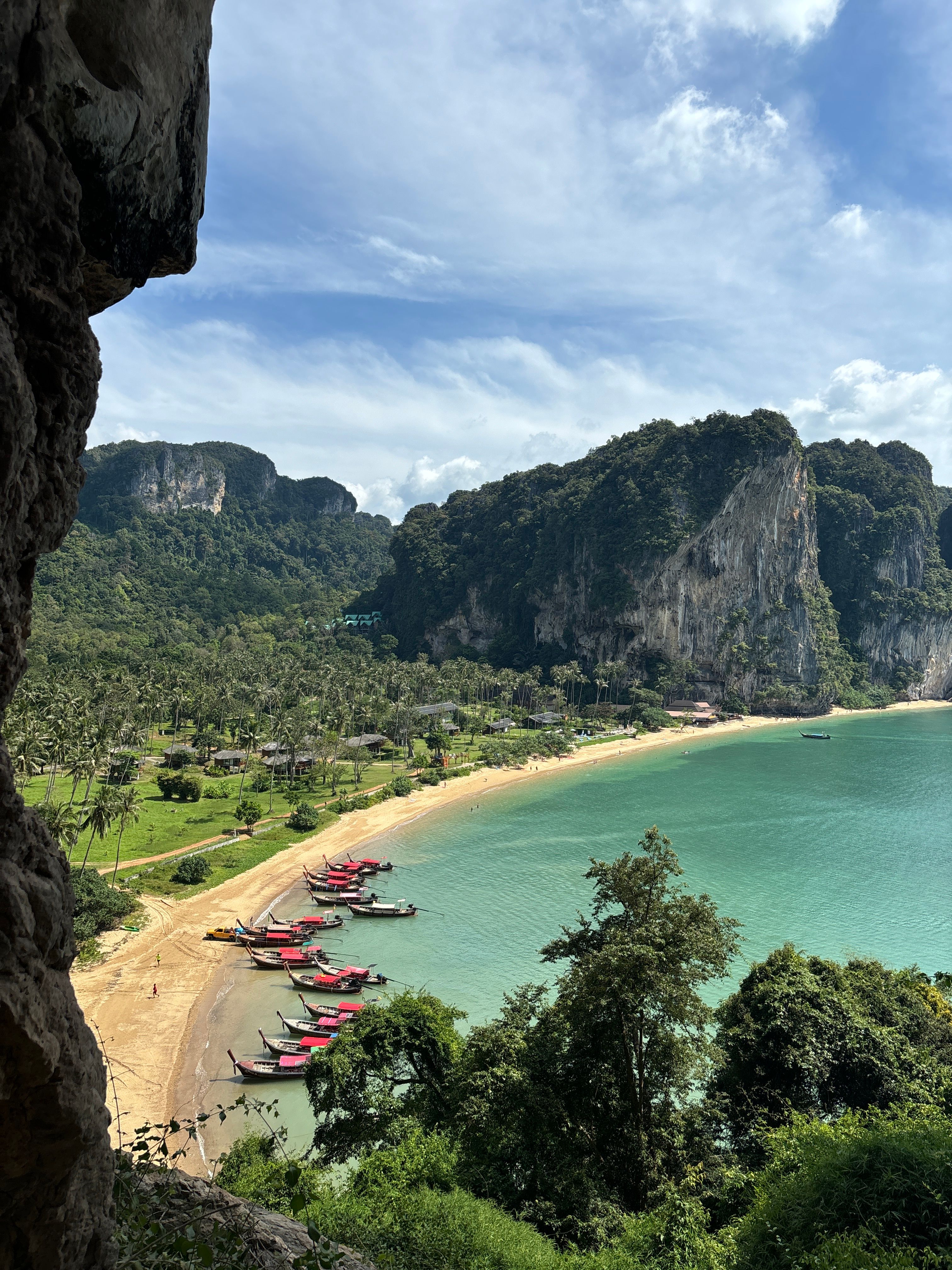
Alongside climbing, I've skied to the South Pole and guided both ascents and treks in Nepal, Kyrgyzstan, the Caucasus, the Andes and Patagonia. I've also spent a lot of time hitchhiking, done some sailing, and even crossed the jungles of Brazil on a self-supported, 570 km kayak journey through the Pantanal.
Our team
Our team came together because I wanted to organise the kind of journeys I believe in.
I want to do more than lead people to a summit or along a trail with a backpack. I want to share how I see this whole experience and my love of the mountains. To show people that the value of these journeys lies not so much in a summit photograph as in the journey itself. To me, a mountain isn't a tour or a programme. It's a journey into the mountains, and into yourself.
A guide's job is to be there, to help, to offer advice and to make difficult decisions when they're needed.
I don't promise a summit at any cost. There is no such thing as complete safety in the mountains. What we can do is prepare well, keep learning, build experience and reduce the risks. Sometimes the right decision is to carry on. Sometimes it's to turn around and come back another time.