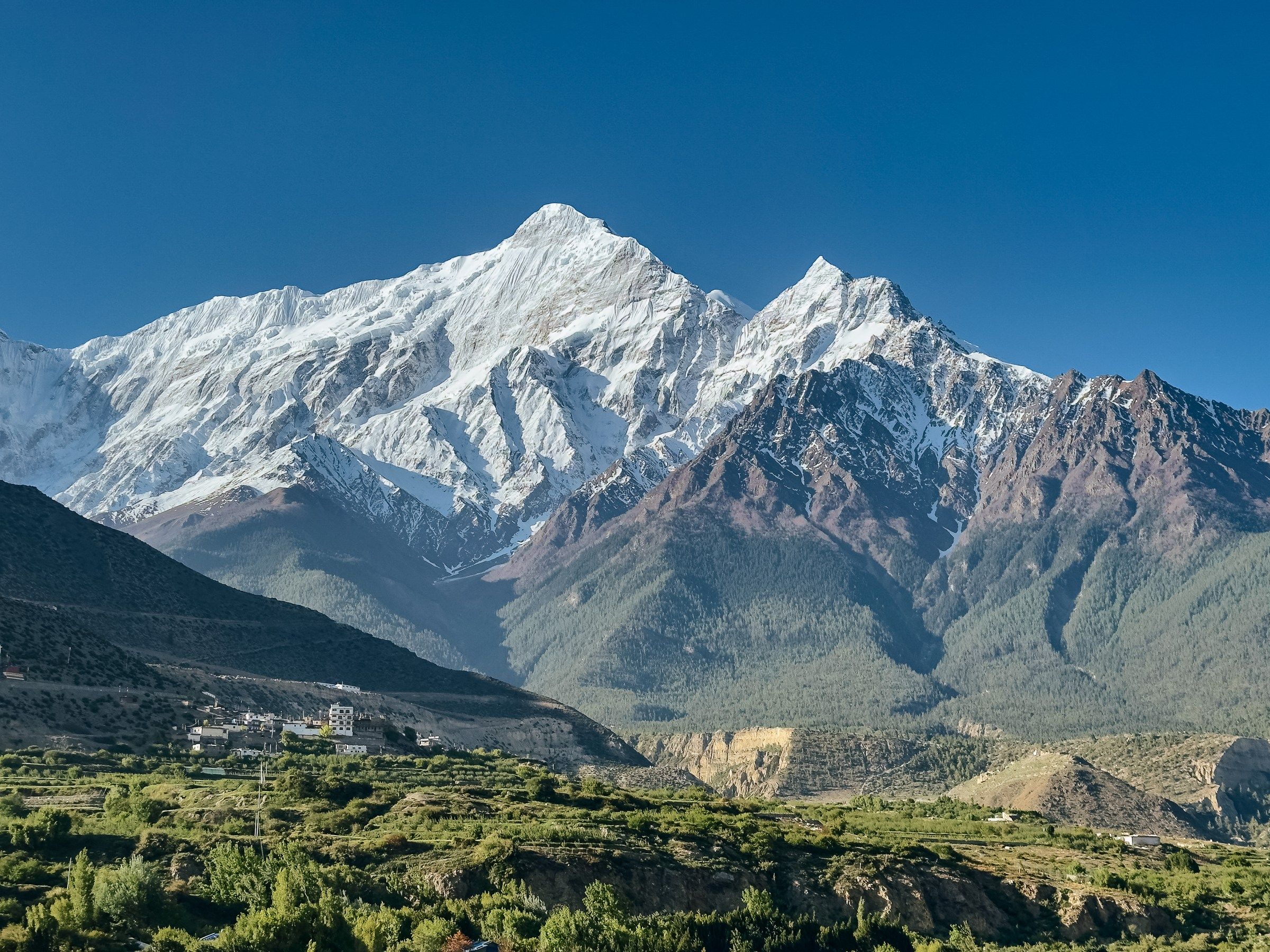
Trekking in Nepal: the Annapurna Circuit and Tilicho Lake

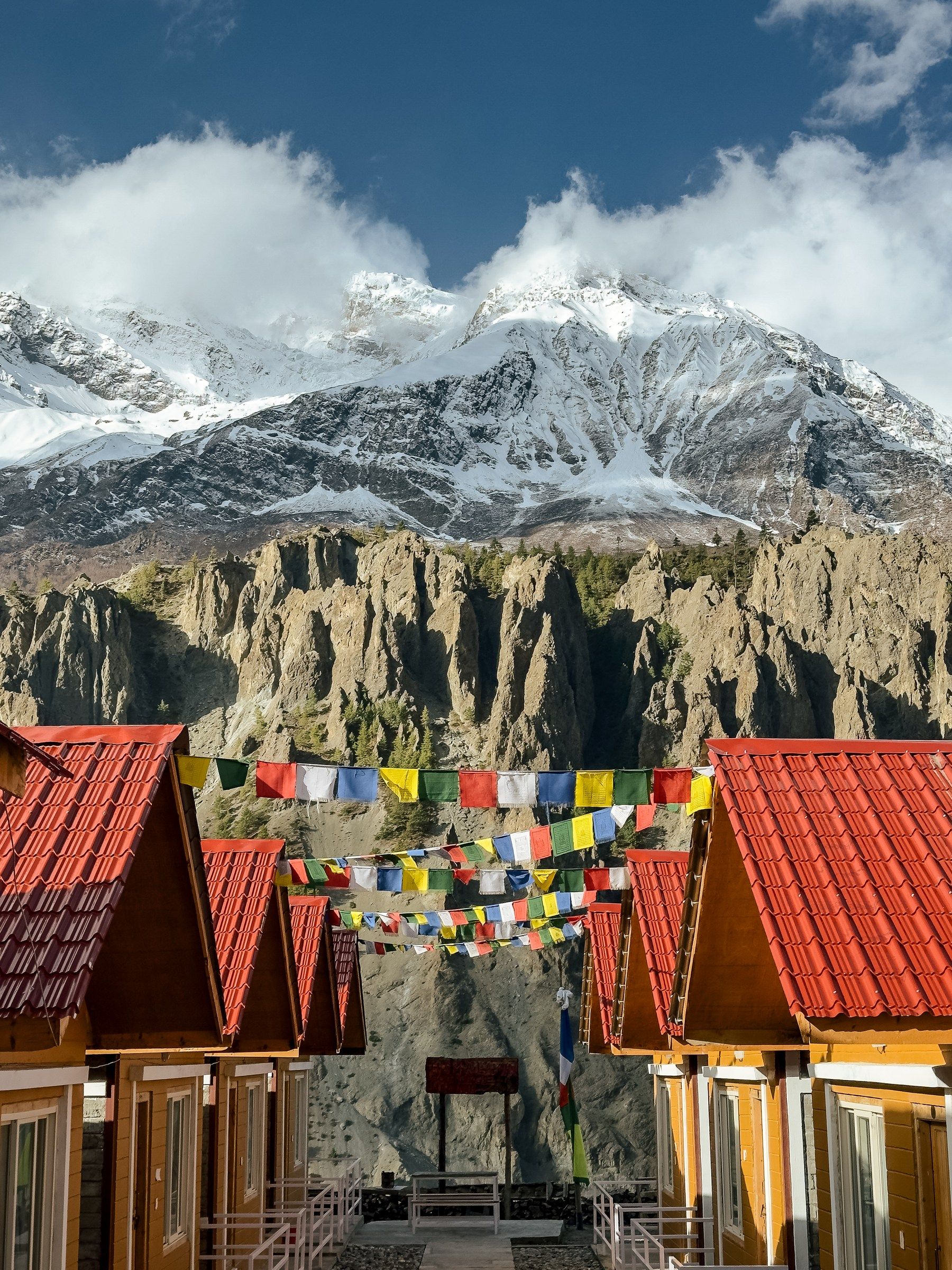
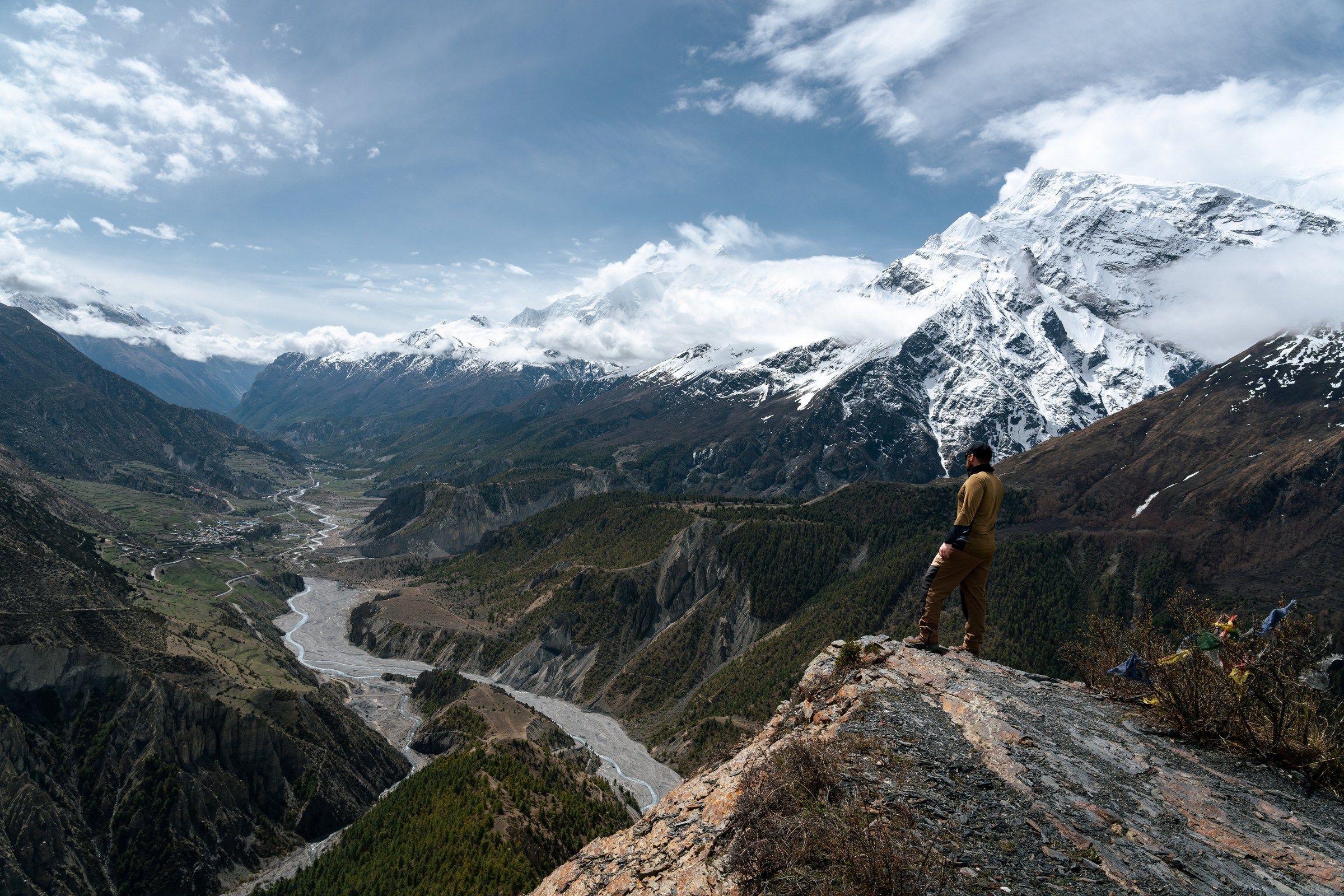
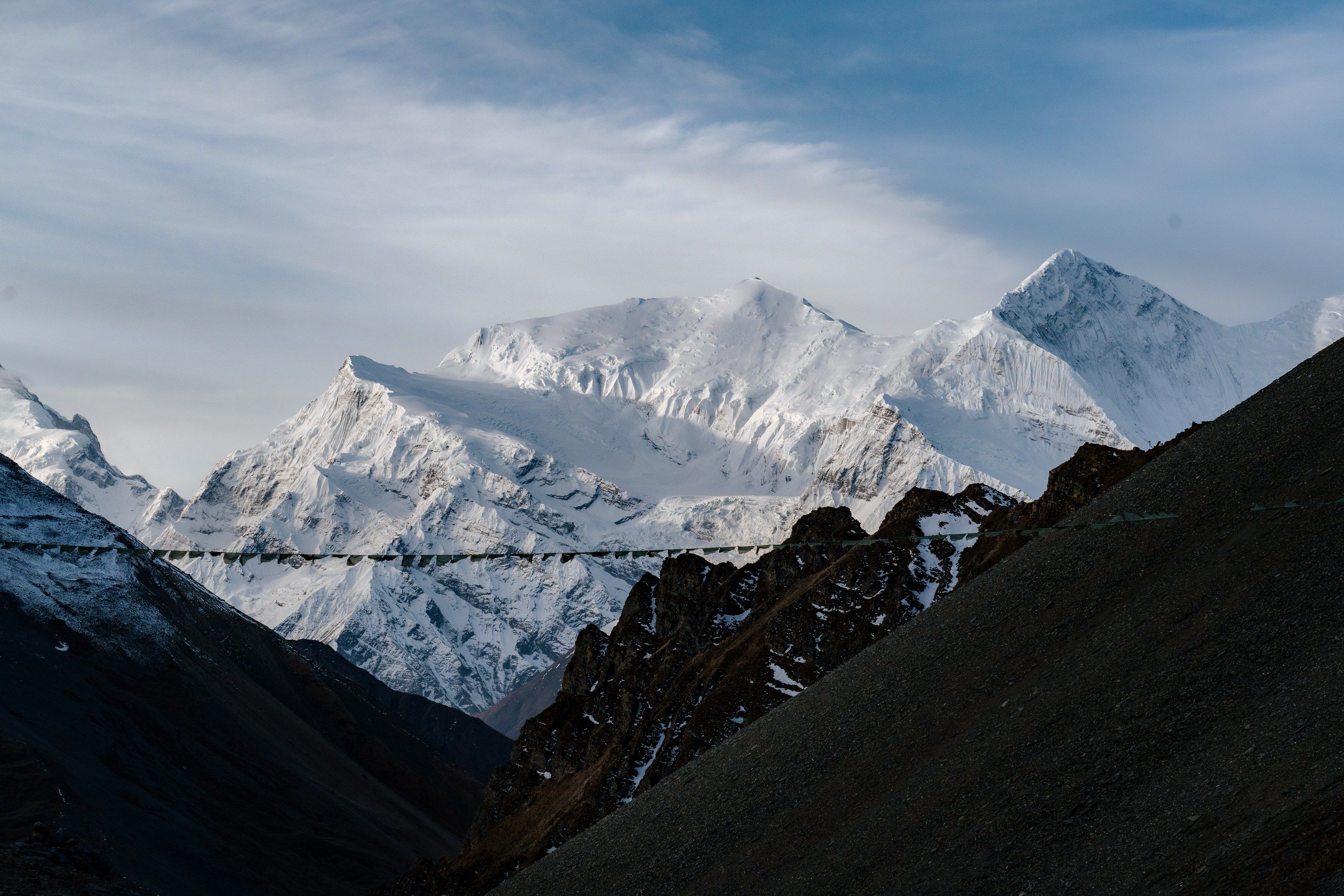
Prayer flags across a rocky valley beneath snow-covered Himalayan peaks
Trekking in Nepal: the Annapurna Circuit and Tilicho Lake

Nepal

Country

15 days

Duration

Trekking

Format

Challenging

Difficulty

Confident trekking

Preparation level

About the program

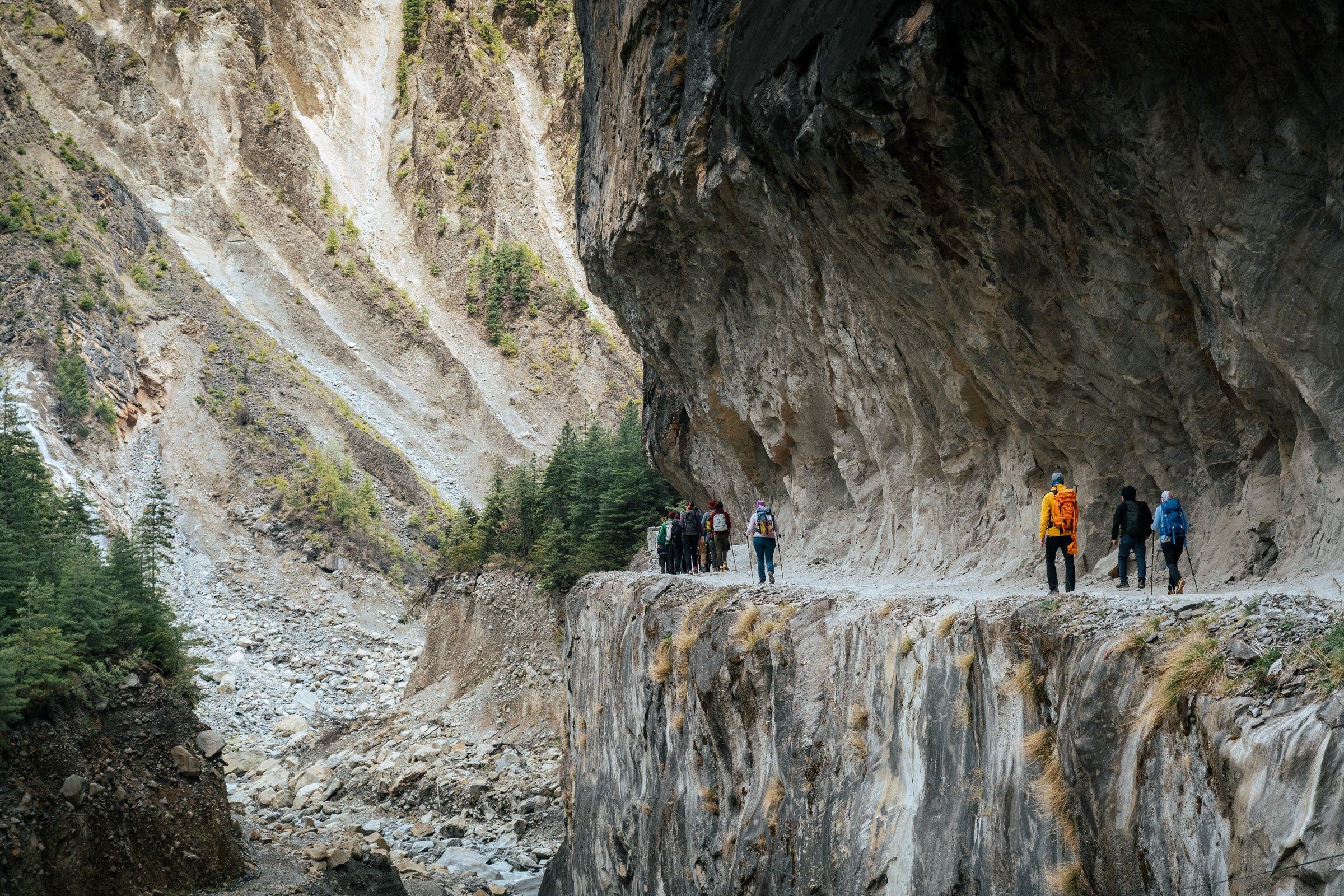
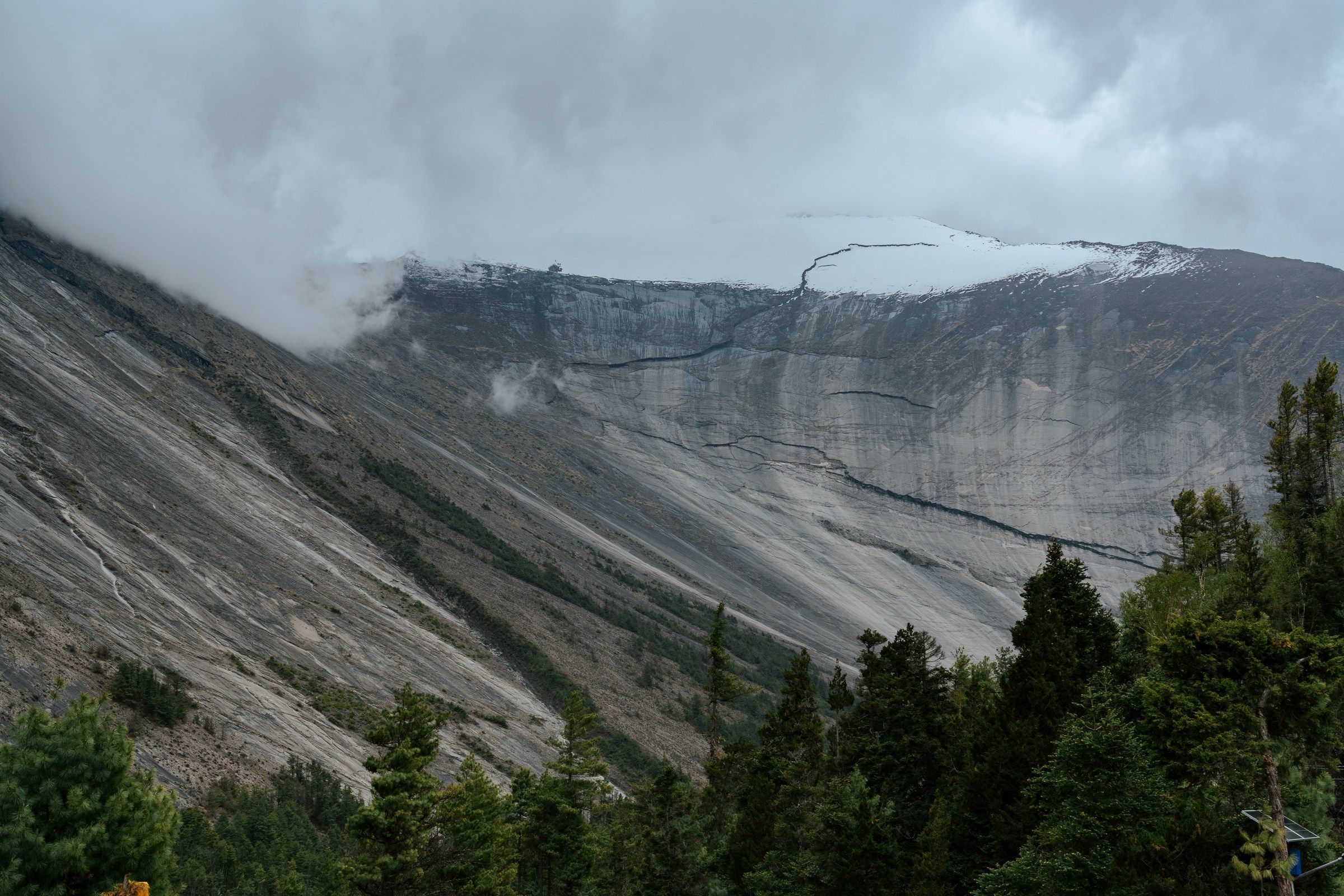
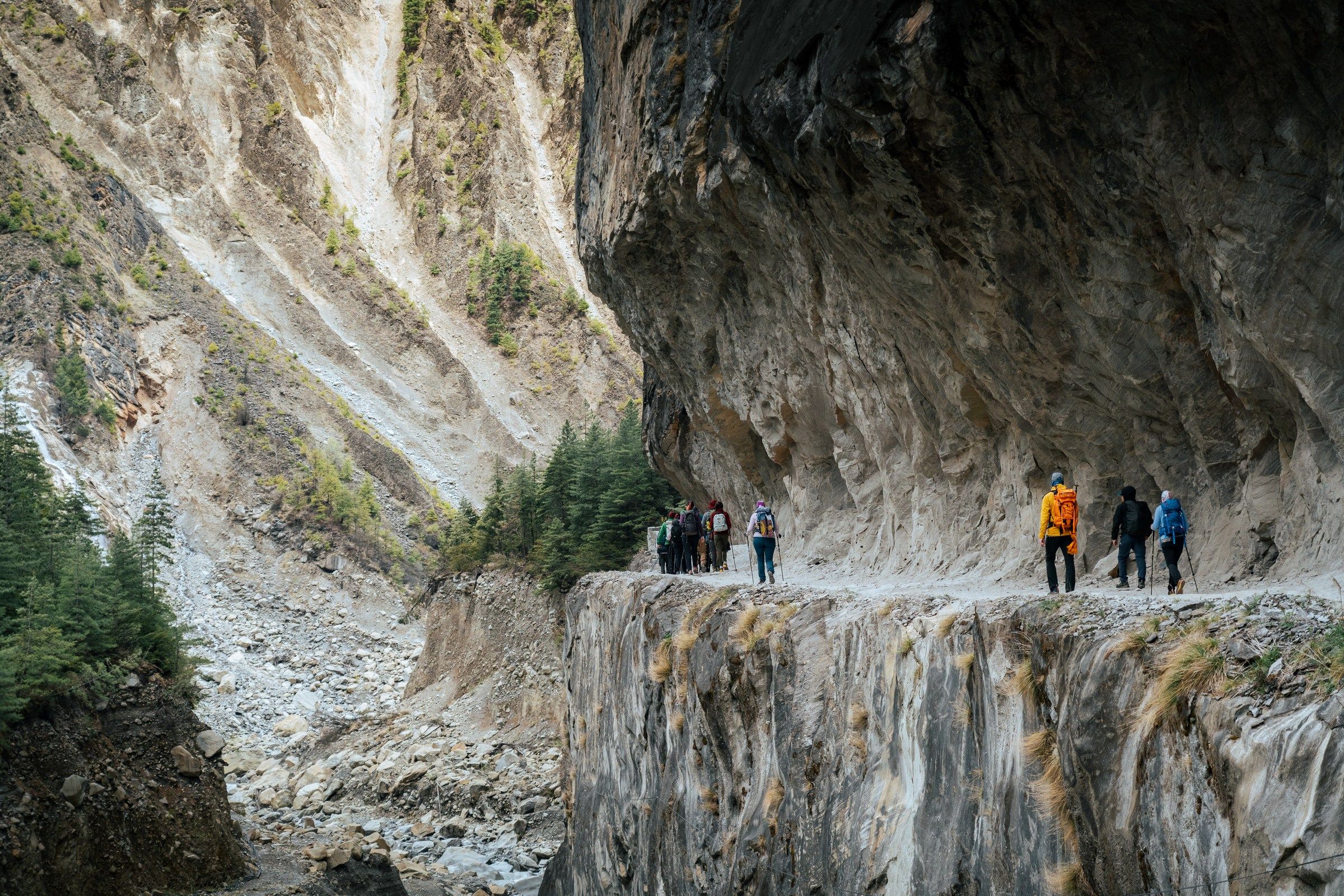
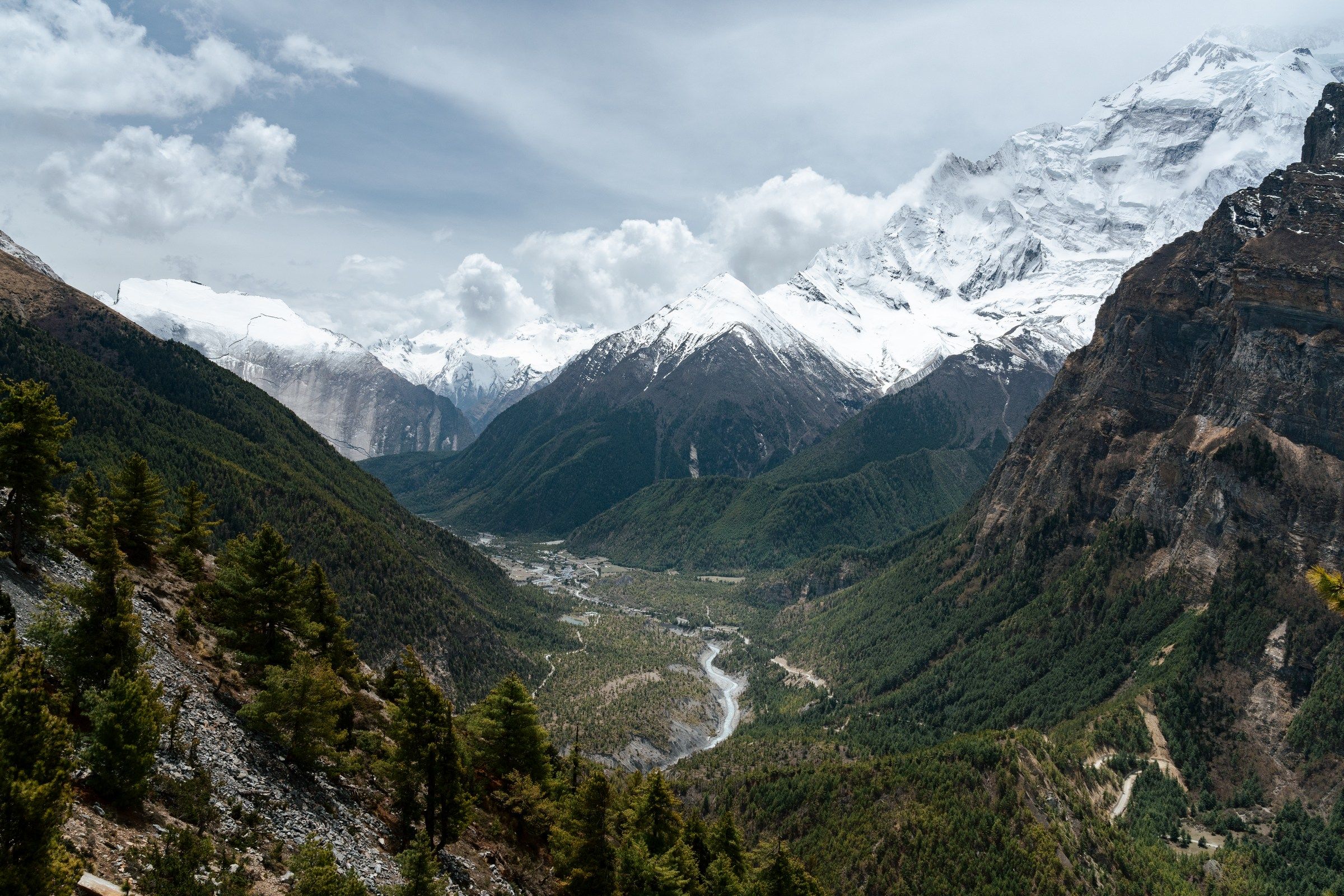
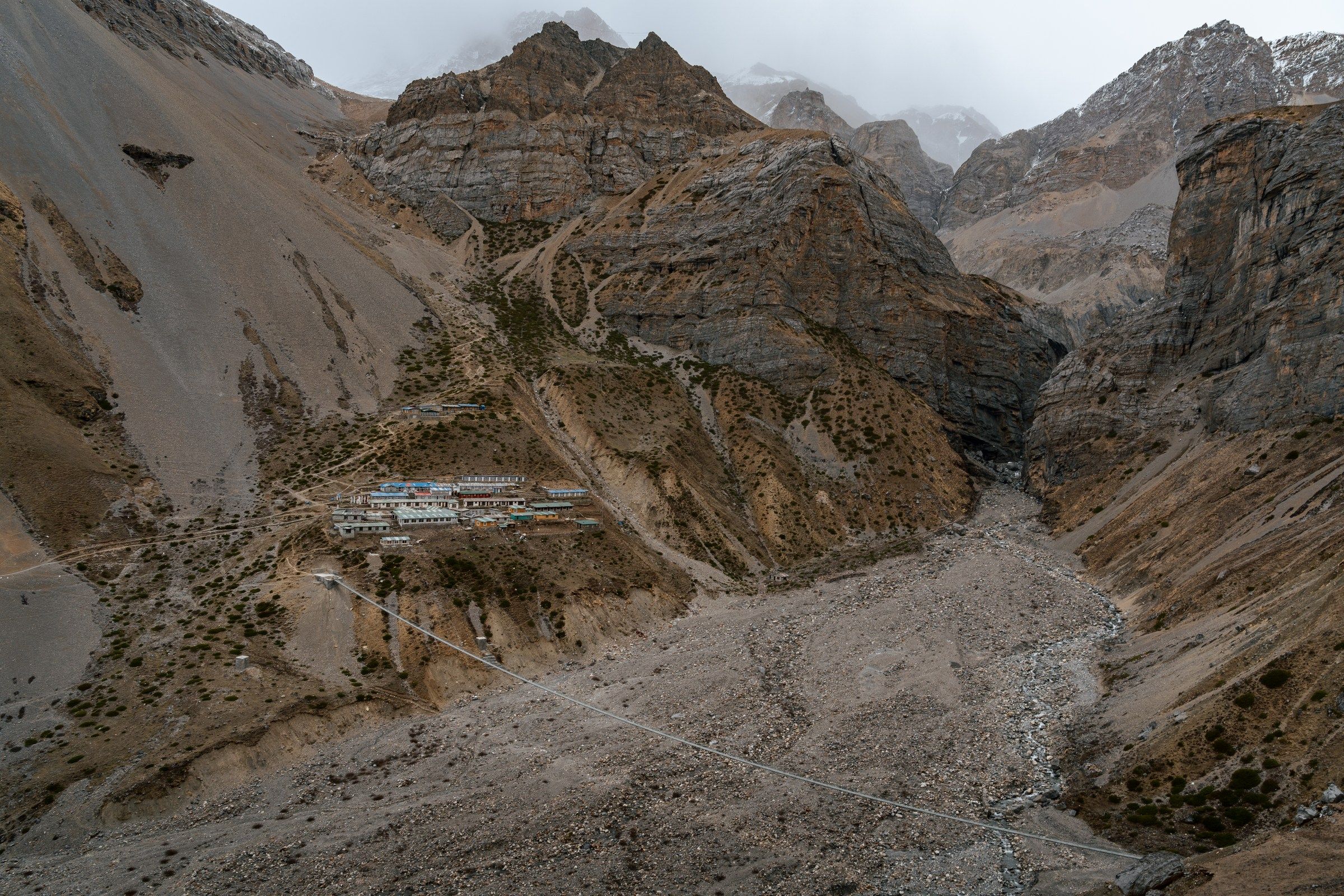
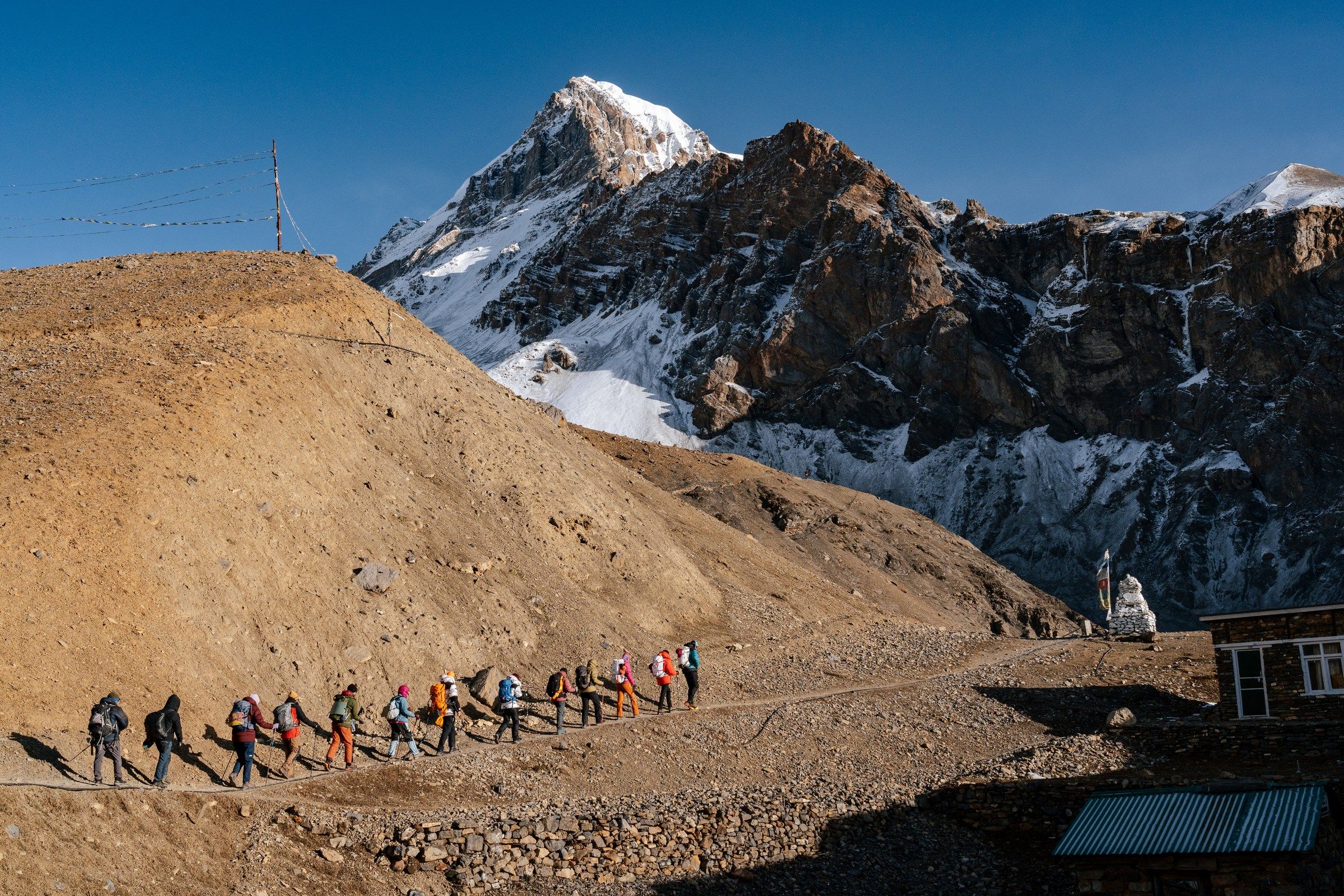
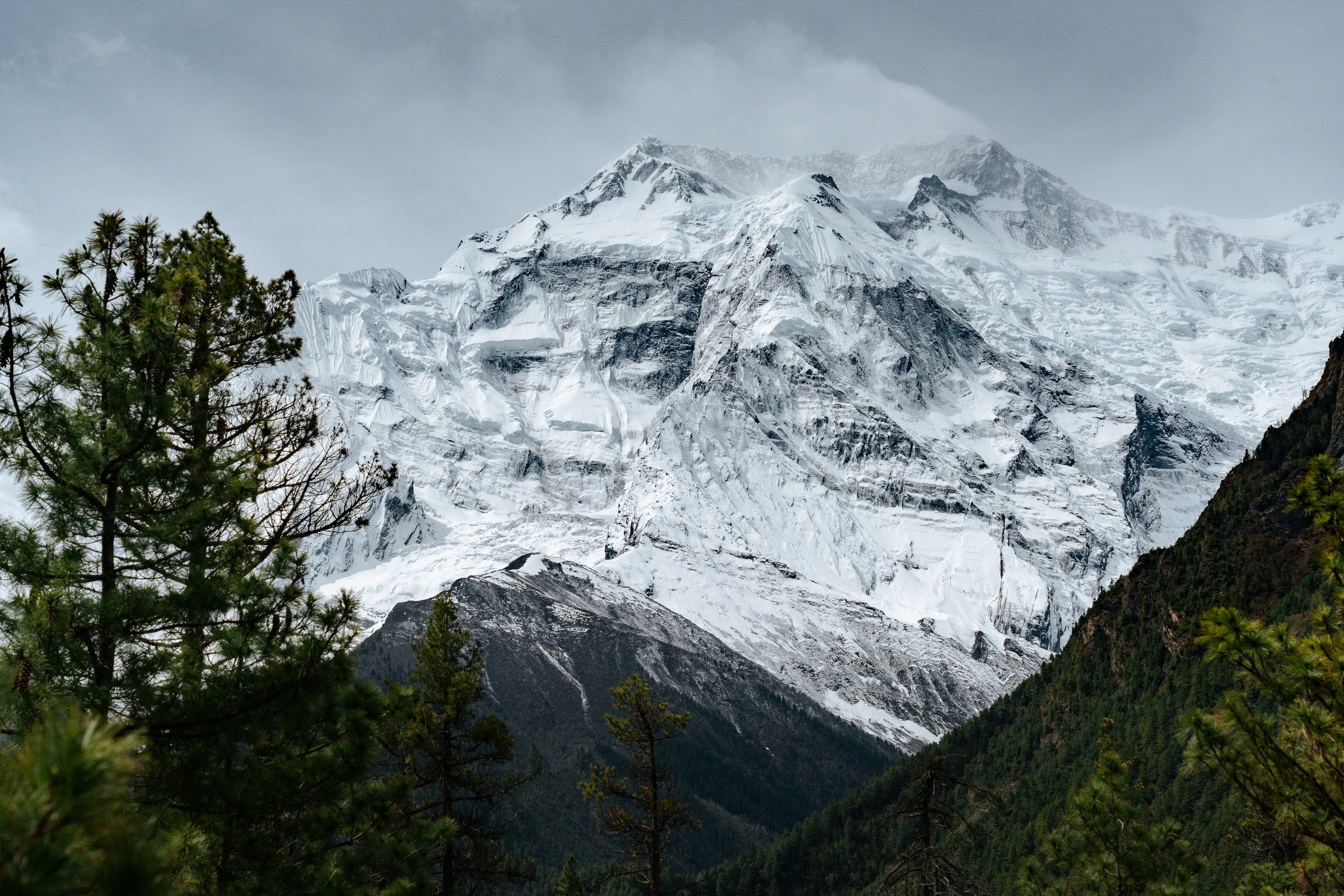
Annapurna translates from Sanskrit as “goddess of fertility.” It is a mountain massif in the Himalayas, whose highest point, Annapurna I, reaches 8,091 m. In 1950, Maurice Herzog and Louis Lachenal made the first ascent of an eight-thousander. Sauvage Adventure co-founder Vladimir Kotlyar also summited this dangerous and beautiful mountain. Trekking around Annapurna is a beautiful and varied route through different landscapes and climate zones. Our route will pass through tropical jungle, villages with rice terraces, rocky gorges and the snow-covered Thorong La Pass. We will see glaciers, rocky cliffs, the peaks of Himalayan giants and the mountain lakes Tilicho and Ice Lake. After the mountain section of the trip, we will relax in Pokhara on the shore of Phewa Lake. Flights and transfers depend on the weather, road conditions and whether flights operate. The outing to Ice Lake depends on the weather, trail conditions and the team's wellbeing. The guide may adjust the program taking safety and local conditions into account.

What to expect

❋

The classic Annapurna Circuit: from rice terraces and forests to high-altitude terrain

❋

The mountain lakes: Tilicho Lake and Ice Lake

❋

Thorong La Pass, 5,416 m—the highest point of the route

Route by day

Day 1

Arrival in Kathmandu

Please arrive in Kathmandu by 13:00 local time. Airport pickup in Nepal's capital, transfer and hotel check-in. Gear check and purchase of any missing items. Introductions and a team briefing. Welcome dinner.
Day 1Route dayHotel in Kathmandu, 1,400 mAccommodation typeWelcome dinnerIncluded meals

Day 2

Kathmandu — Besisahar — Dharapani

Early departure from Kathmandu via Besisahar to Dharapani. Along the way, views open up over the Marsyangdi River valley and surrounding hills.

Day 2Route dayLodge in Dharapani, 1,860 mAccommodation type9 hrRoute time

Day 3

Dharapani — Chame

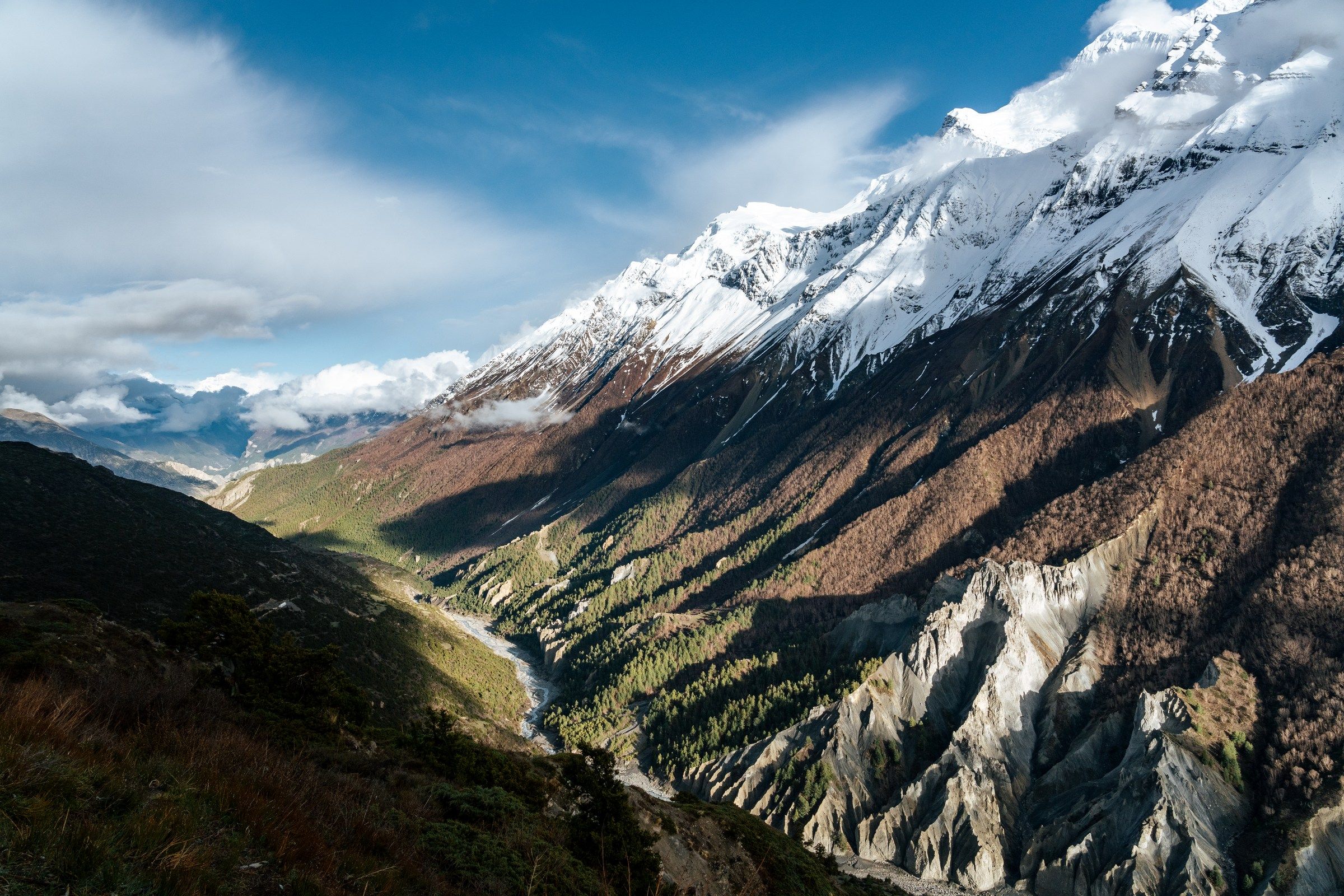
Trek through a gorge along the Marsyangdi River amid coniferous forests and traditional Nepali villages. Stop at a viewpoint overlooking a waterfall. In good weather, we will see Manaslu and Annapurna II.

Day 3Route dayLodge in Chame, 2,670 mAccommodation type16 kmRoute distance7 hrRoute time
Chame — Upper Pisang

Day 4

Chame — Upper Pisang

A scenic trek through forests and narrow valleys into the drier high-altitude section of the Manang Valley. Views of Annapurna II, Annapurna IV and Pisang Peak.

Day 4Route dayLodge in Upper Pisang, 3,300 mAccommodation type14 kmRoute distance6 hrRoute time
Upper Pisang — Manang

Day 5

Upper Pisang — Manang

Early start on the upper trail through the villages of Ghyaru (3,700 m) and Ngawal (3,667 m). A long and beautiful day with views of the Annapurna massif. If they wish, tired participants may take the easier and shorter lower trail with assistant guides. We stay in Manang for two nights to acclimatize.

Day 5Route dayLodge in Manang, 3,500 mAccommodation type20 kmRoute distance9 hrRoute time
Acclimatization: Ice Lake

Day 6

Acclimatization: Ice Lake

After an early breakfast, we hike to Ice Lake at 4,620 m and return to Manang for the night. The outing depends on the weather, trail conditions and the team's wellbeing.

Day 6Route dayLodge in Manang, 3,500 mAccommodation type4620 mMax altitude for the day15 kmRoute distance7 hrRoute time
Manang — Tilicho Base Camp

Day 7

Manang — Tilicho Base Camp

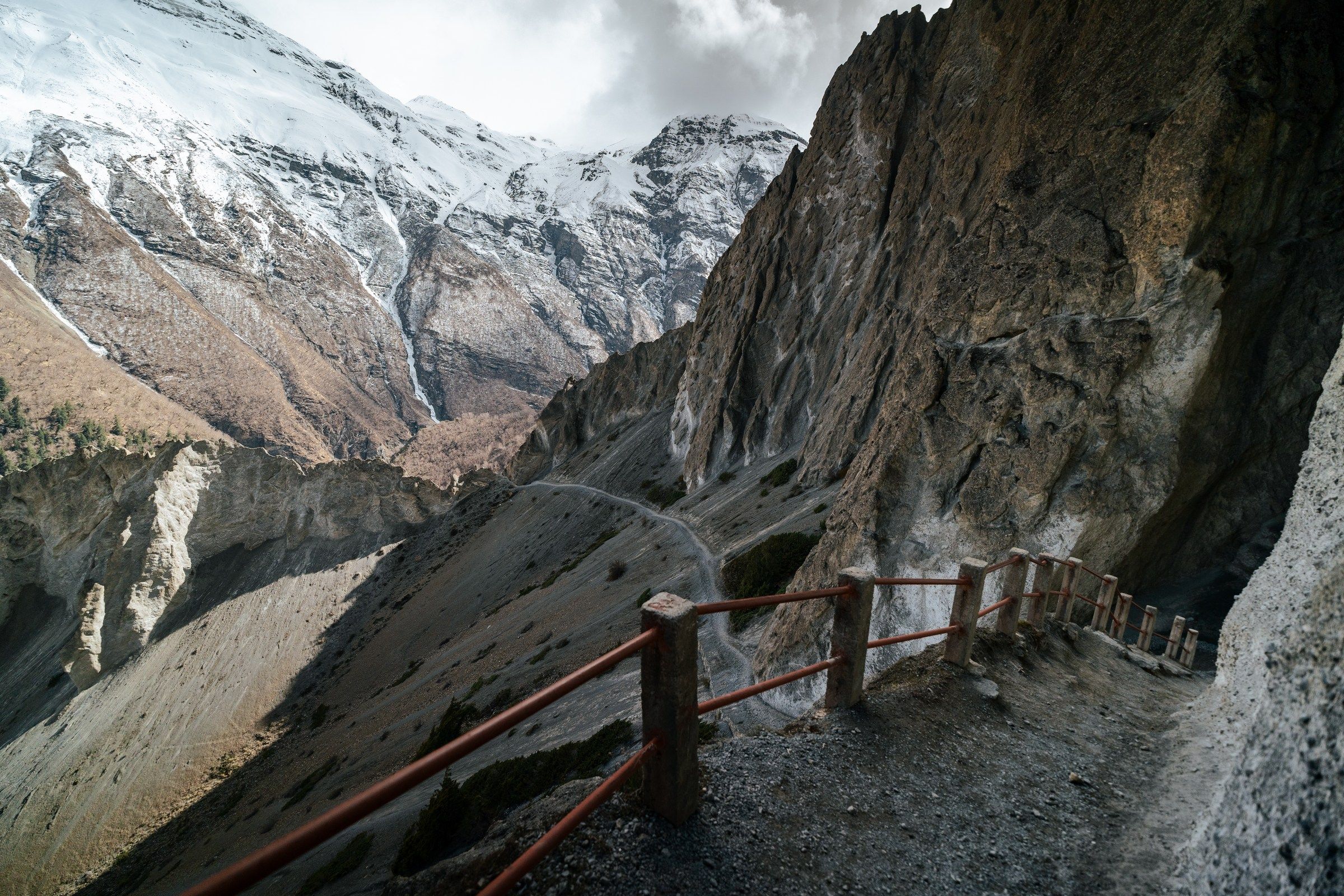
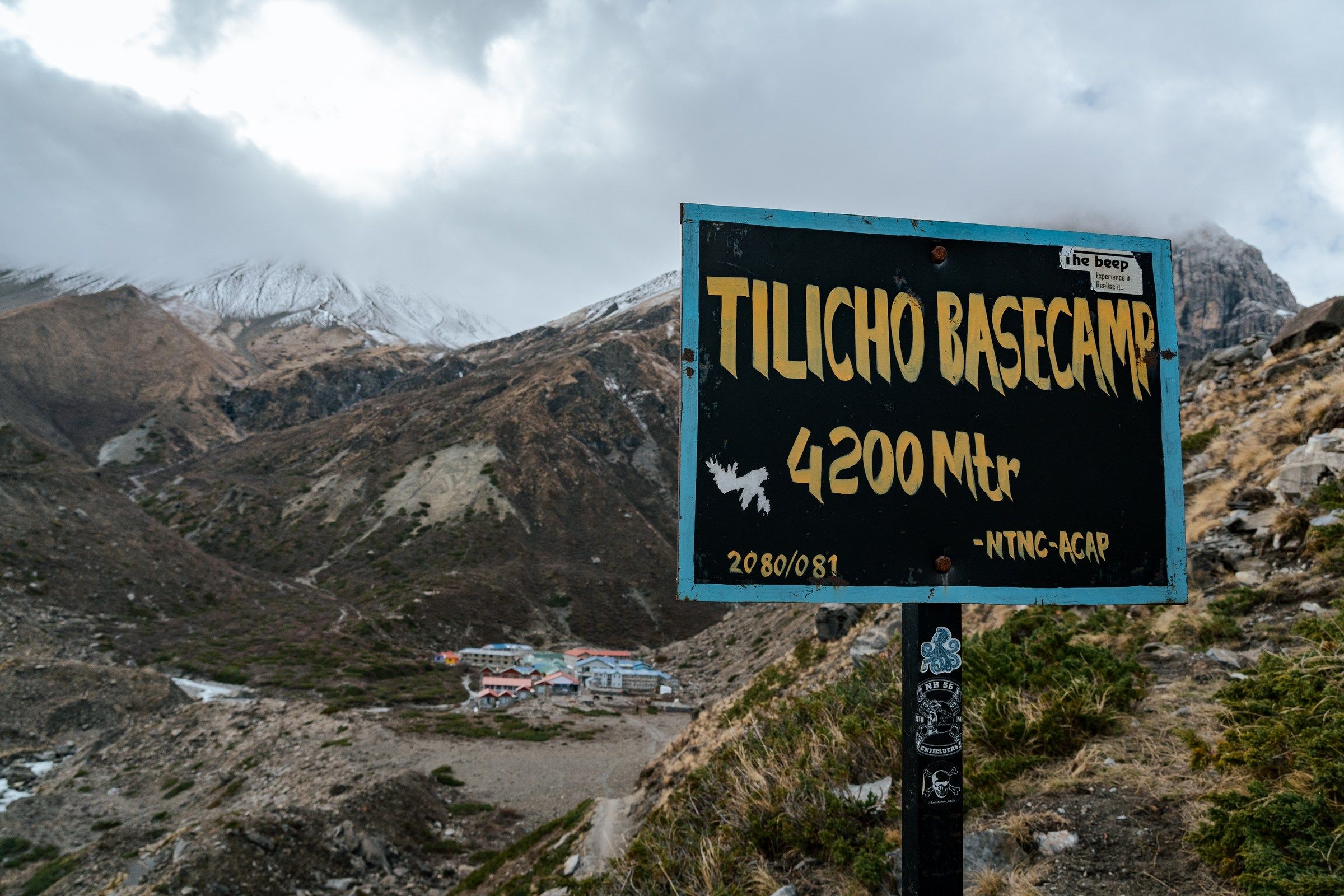
Trek through the scenic Kangsar River valley, with some ‘Martian’ landscapes. We spend the night at a lodge in Tilicho Base Camp so that we can make an out-and-back hike to the lake the next day.

Day 7Route dayLodge at Tilicho Base Camp, 4,150 mAccommodation type15 kmRoute distance7 hrRoute time
Tilicho Lake — Shri Kharka

Day 8

Tilicho Lake — Shri Kharka

We set out for Tilicho Lake before dawn, one of the world's highest lakes. A challenging day with beautiful views. After visiting the lake, we descend along the trail and continue to Shri Kharka.

Day 8Route dayLodge in Shri Kharka, 4,000 mAccommodation type18 kmRoute distance9 hrRoute time
Shri Kharka — Yak Kharka

Day 9

Shri Kharka — Yak Kharka

We return to the classic trail around Annapurna. We trek through high-altitude terrain, crossing yak pastures to Yak Kharka.

Day 9Route dayLodge in Yak Kharka, 4,018 mAccommodation type11 kmRoute distance7 hrRoute time
Yak Kharka — Thorong Phedi — High Camp

Day 10

Yak Kharka — Thorong Phedi — High Camp

We gradually gain elevation to Thorong Phedi. After a rest, we continue climbing to High Camp if trail conditions and the team's wellbeing allow. We prepare for an early start across Thorong La Pass.

Day 10Route dayLodge at High Camp, 4,925 mAccommodation type9 kmRoute distance8 hrRoute time
Thorong La Pass — Muktinath

Day 11

Thorong La Pass — Muktinath

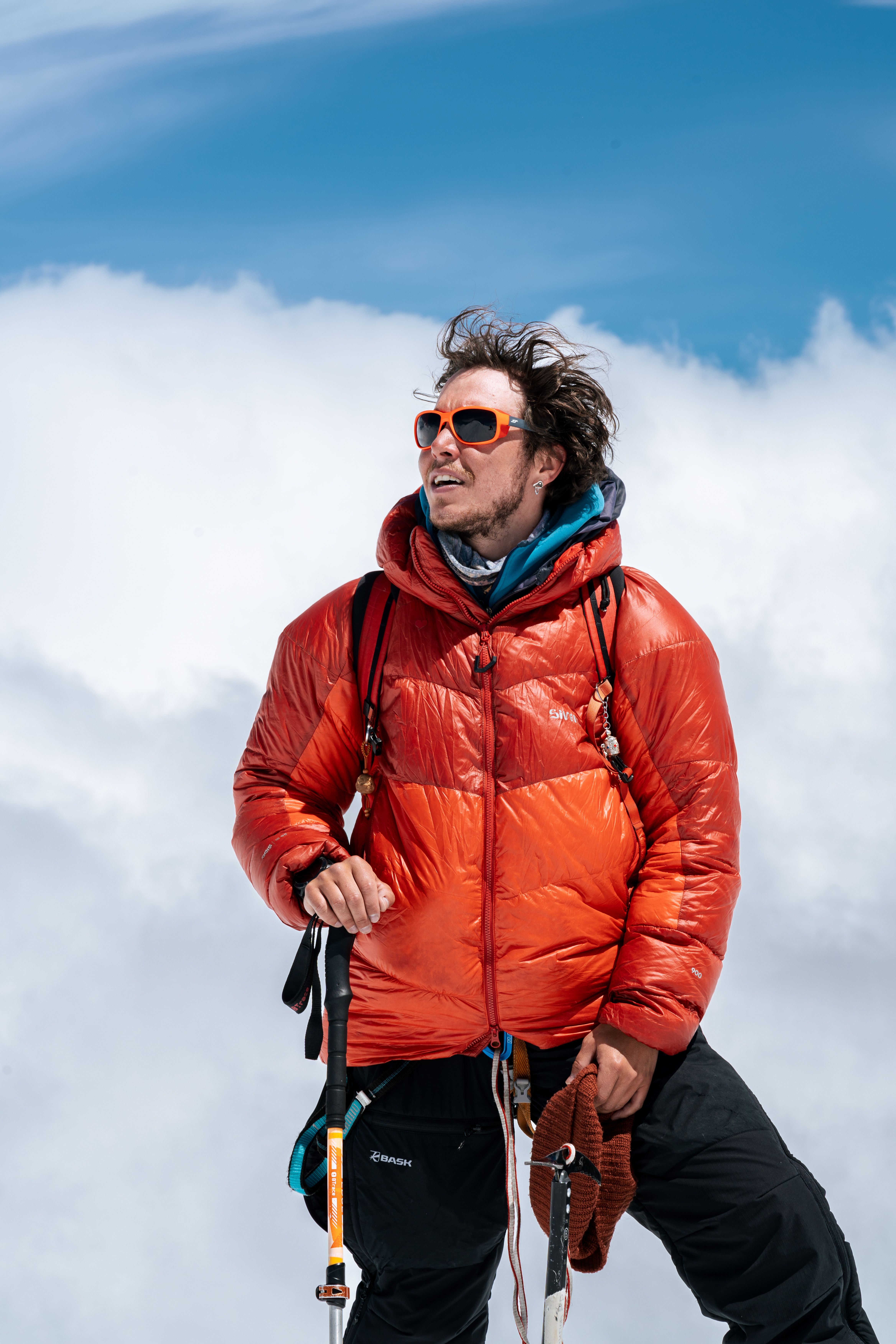
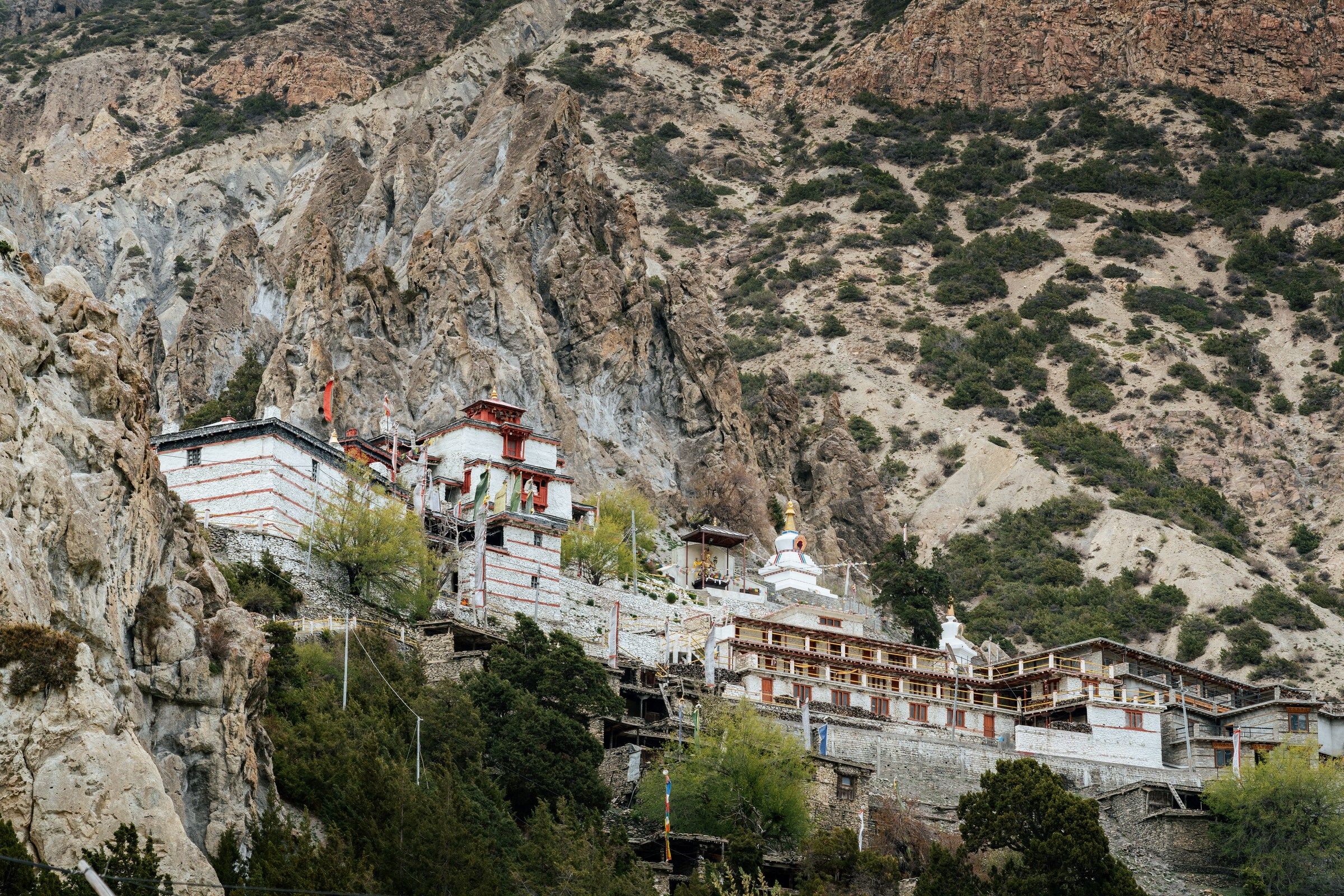
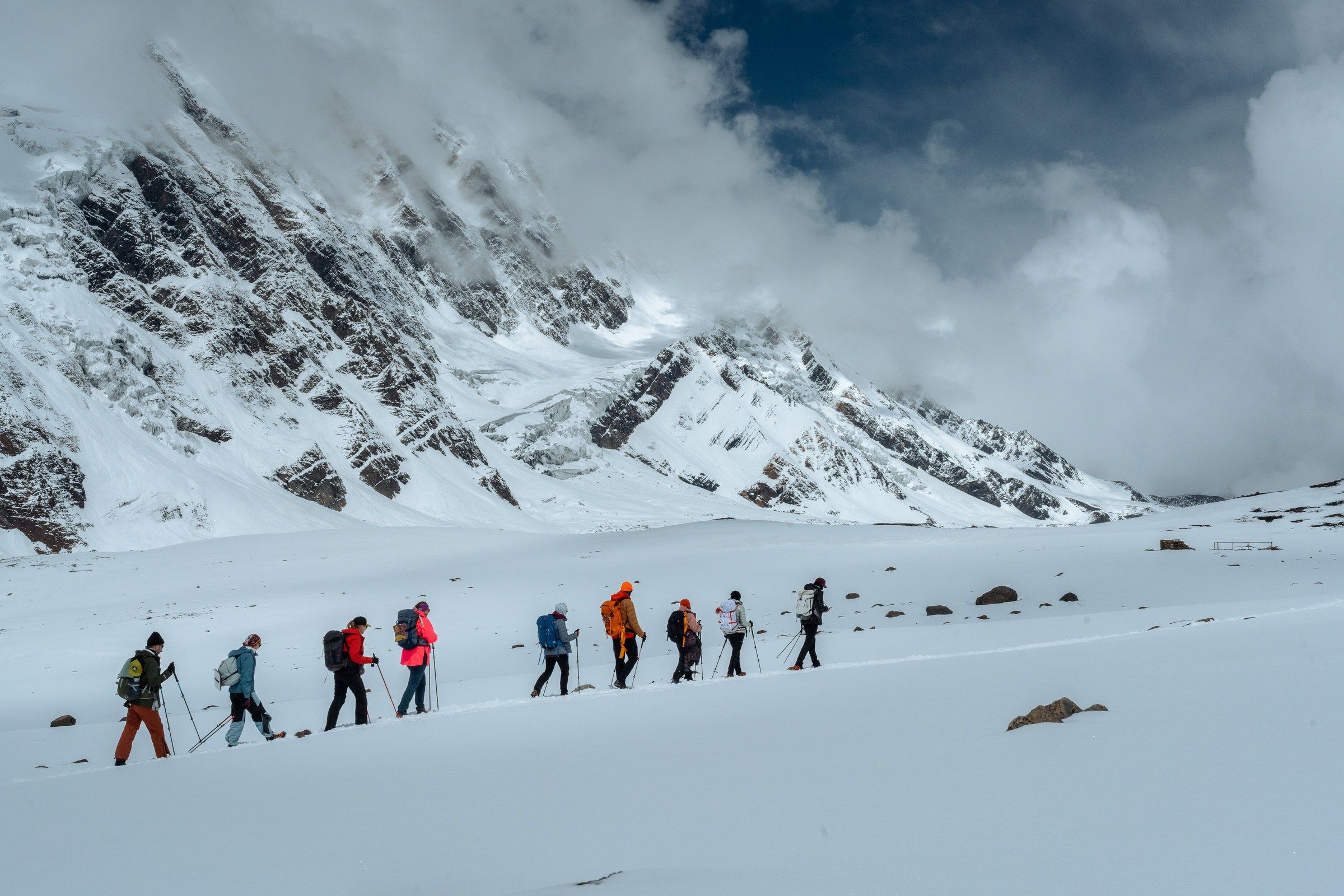
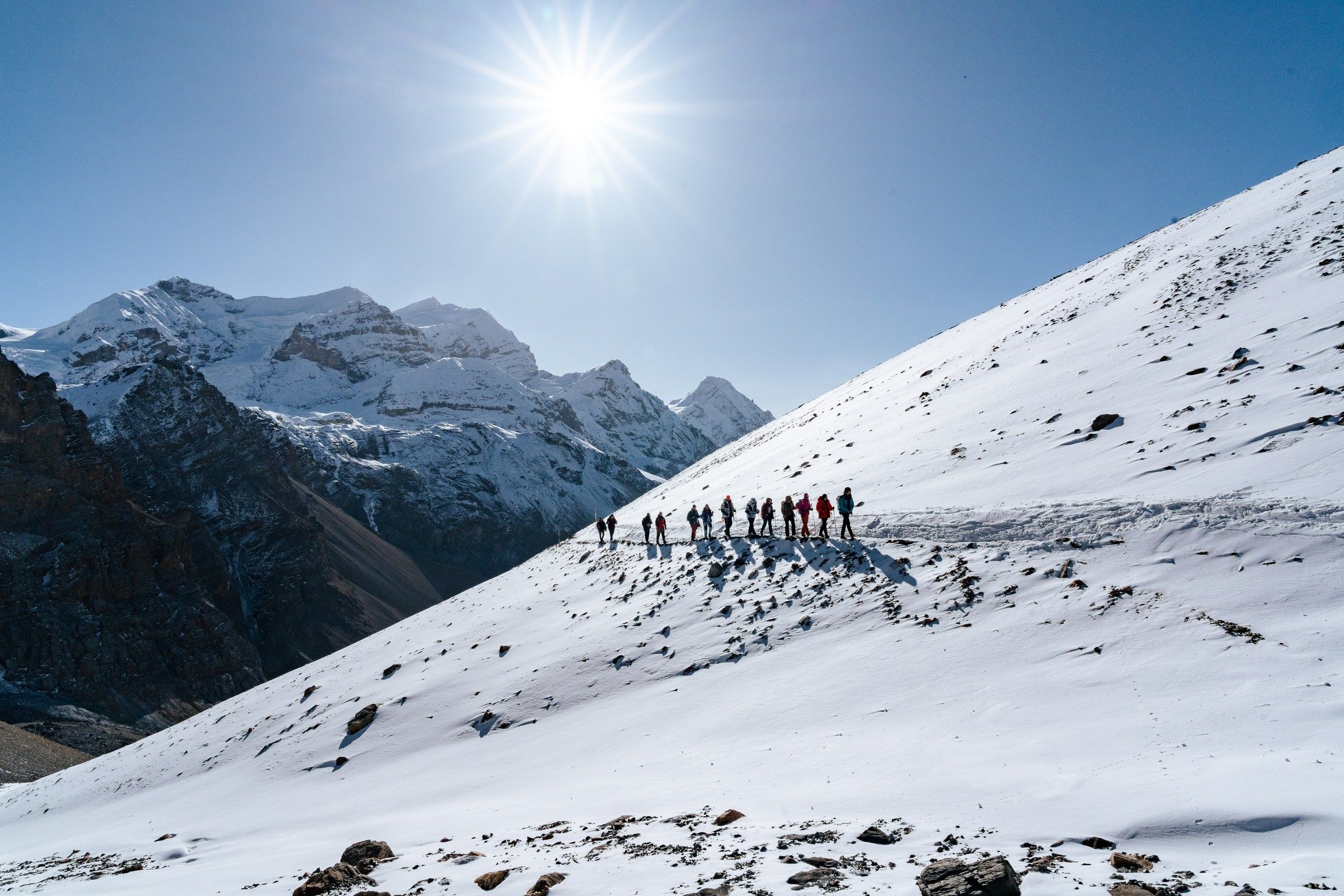
Night-time ascent and departure with headlamps. The ascent to the pass takes about 4 hours. Thorong La (5,416 m) is the highest point of the route, a cold and windy place: warm down jackets and mittens are needed. After a rest and some tea, we descend to Muktinath with views of Dhaulagiri. In the evening, those who wish can visit a wood-fired sauna and have borscht at Maitreya's.

Day 11Route dayMuktinath, 3,800 mAccommodation type5416 mMax altitude for the day14 kmRoute distance10 hrRoute time
Muktinath — Jomsom — Pokhara

Day 12

Muktinath — Jomsom — Pokhara

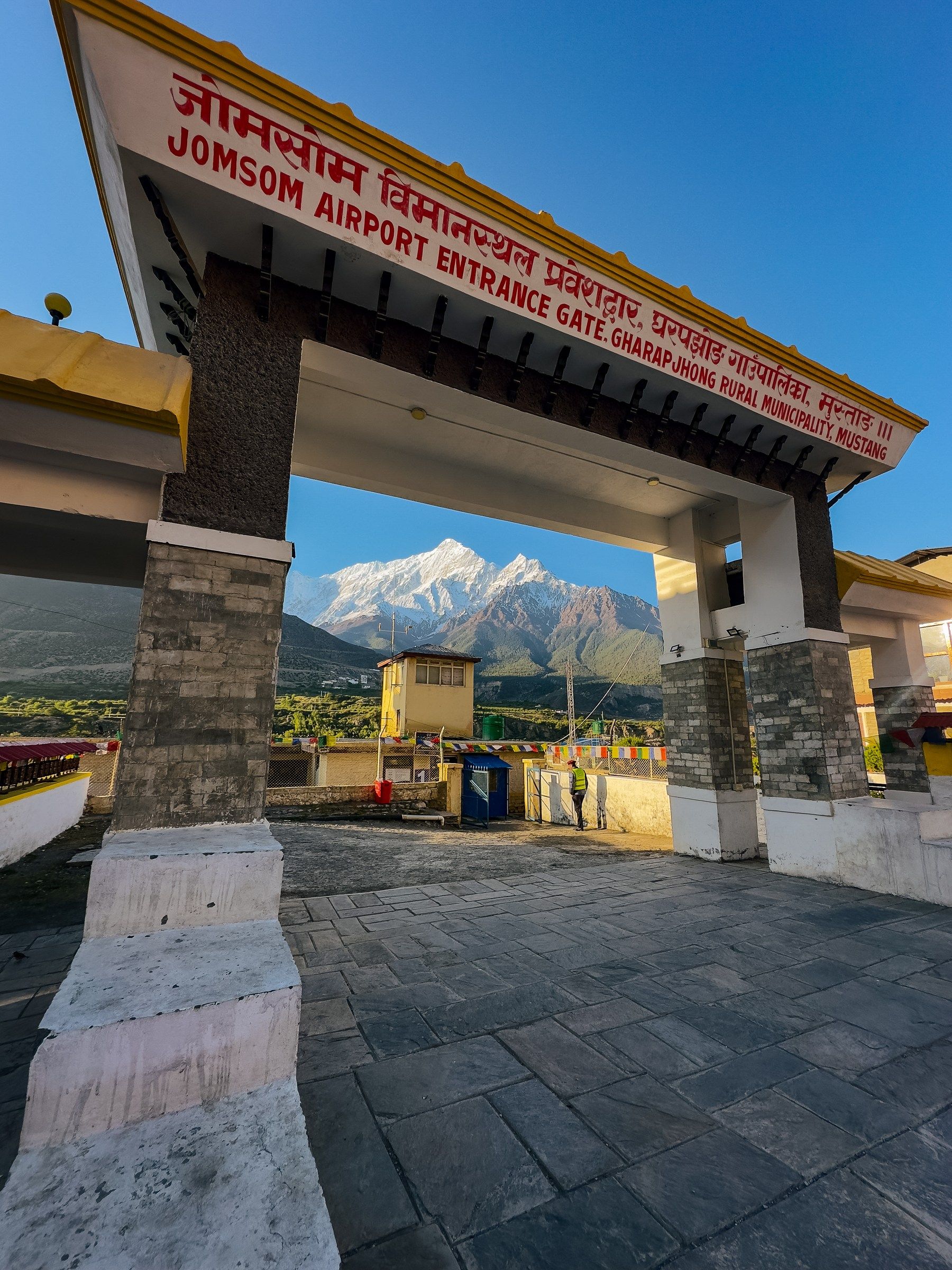
Travel to Jomsom and fly to Pokhara, then transfer and check in at the hotel. Rest after the mountain section of the trip. The flight depends on the weather and whether it operates.

Day 12Route dayHotel in Pokhara, 850 mAccommodation type

Day 13

Free day in Pokhara

Relax by Phewa Lake. In good weather, Dhaulagiri, Annapurna, Manaslu and Machapuchare are visible from Pokhara. If desired, you can go stand-up paddleboarding, walk to the World Peace Pagoda, or relax by the pool and in a café. In the evening—a celebratory dinner at a restaurant, presentation of medals and certificates.

Day 13Route dayHotel in Pokhara, 850 mAccommodation typeFarewell celebratory dinnerIncluded meals

Day 14

Pokhara — Kathmandu

Flight from Pokhara to Kathmandu, about 25 minutes. Check in at the hotel and free time.

Day 14Route dayHotel in Kathmandu, 1,400 mAccommodation type

Day 15

Flight Home

End of the trip. Transfer to the airport and flight home from Kathmandu.

Day 15Route day

What is included

Included

  • Services of a Nepali guide and an assistant guide.
  • Porter services for carrying luggage on the trek: one porter for every two participants.
  • Organization of the program and coordination of accommodation, transport and the work of the local team.
  • Two nights at Hotel Malla in Kathmandu, double occupancy.
  • Two nights at the Front Himalaya hotel in Pokhara.
  • Accommodation in lodges along the route, including the section to Tilicho Lake, as set out in the program.
  • Airport pickup in Kathmandu and transfer to the hotel; airport transfer on the day the program ends.
  • Transfer from Kathmandu via Besisahar to Dharapani according to the program.
  • Transfer from Muktinath to Jomsom according to the program.
  • Domestic flights from Jomsom to Pokhara and from Pokhara to Kathmandu, and transfers according to the program.
  • ACAP permit for visiting the Annapurna Conservation Area, including obtaining it.
  • A group first-aid kit carried by the guide.
  • Welcome and farewell group dinners.
  • Sauvage Adventure branded merchandise.

Not included

  • International flights to and from Kathmandu.
  • Nepal visa.
  • Lunches and dinners in Kathmandu and Pokhara, except for the included welcome and farewell dinners. Estimated budget: USD 25–50 per day.
  • Food and drinks on the trek: breakfasts, lunches and dinners. Estimated budget: USD 30–40 per day.
  • Additional orders not included in the agreed menu for the included dinners.
  • Additional nights in hotels and lodges outside the program: in the event of early arrival, late departure or early completion of the trek.
  • Supplement for single accommodation in city hotels and on the trek, where available.
  • Room or hotel category upgrades at the participant's request.
  • Charging devices, paid internet access and mobile communications.
  • Hot showers, laundry and other individual lodge services.
  • Personal medical insurance for high-altitude trekking is mandatory. The policy must cover elevations along the route up to 5,416 m, altitude-related illness, emergency medical assistance and evacuation, including helicopter evacuation.
  • Treatment, search and rescue operations and evacuation. Coverage of these expenses depends on the terms of the insurance policy.
  • Additional expenses due to a participant's early withdrawal from the route, changes to personal plans, flight delays or cancellations, and forced route changes: additional accommodation, food, transport and new tickets.
  • Individual transfers outside the agreed program schedule.
  • Additional baggage on flights and carrying baggage beyond the agreed limit.
  • Tips for Nepali guides, assistant guides and porters. Recommended guideline: USD 100 or more per participant for the program; the amount is divided among the local team.
  • Tips for the Sauvage Adventure guide—optional. Guideline: USD 80 or more per participant for the program.
  • Purchase and rental of personal equipment.
  • Souvenirs and other personal expenses.
  • Additional excursions and activities not included in the program.
  • Admission tickets to temples, monasteries, museums and other attractions.
  • Visit to the bathhouse in Muktinath, SUP rental and other optional activities.

Required gear

Clothing

  • Warm down jacket with a hood for freezing weather and rest stops.
  • Hardshell jacket with a membrane.
  • Hardshell pants with a membrane.
  • Hiking pants — 1–2 pairs.
  • Fleece top — 1 item.
  • Fleece pants — 1 pair.
  • Quick-drying long-sleeve tops or long-sleeve hiking shirts — 2–3 items.
  • Lightweight baselayer — 1 set: top and bottoms.
  • Warm baselayer — 1 set: top and bottoms.
  • Separate dry clothing for sleeping.
  • Underwear — several spare sets.
  • Lightweight hiking socks — 3–4 pairs.
  • Warm hiking socks — 2 pairs.
  • Separate dry socks for sleeping — 1 pair.
  • Rain cape or poncho — optional.
  • Lightweight fleece gloves or glove liners — 1–2 pairs.
  • Warm gloves or windproof mittens.

Footwear

  • Broken-in hiking boots with protection against getting wet.
  • Hiking shoes — optional, for the city and easy sections.
  • Crocs, sandals or slippers for lodges.
  • Gaiters — if snow is expected, in consultation with the guide.

Hiking and sleeping gear

  • Soft transport duffel for belongings handed to the porter. Capacity: up to 100–120 L; baggage weight: within the agreed limit.
  • Daypack — 40–60 L.
  • Dry bags or waterproof liners for a sleeping bag, clothing and electronics.
  • Sleeping bag with a Comfort rating of around −10 °C.
  • Sleeping bag liner — optional.
  • Earplugs — optional.
  • Vacuum flask — 1 L.
  • Water bottle — 1 L.

Technical equipment

  • Trekking ice cleats / micro-crampons (microspikes) with steel teeth — 1 pair, selected to fit the boots.
  • Trekking poles — 1 pair.
  • Headlamp and spare batteries or a backup power source.
  • Power bank and charging cables.
  • Plug adapter.

Sun and wind protection

  • Cap or sun hat.
  • Fleece or wool beanie.
  • Neck gaiter — 1–2 items.
  • Balaclava — optional.
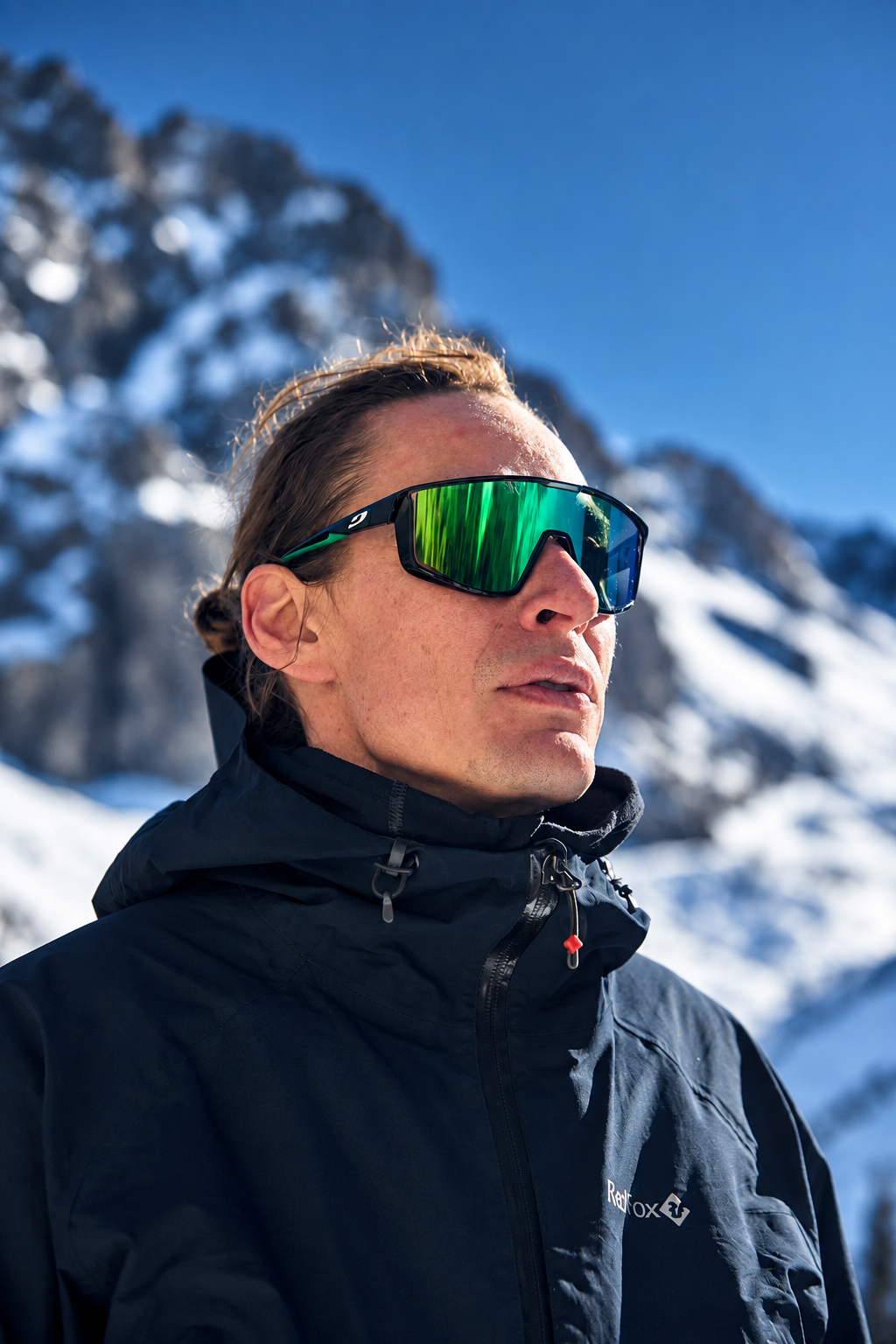
  • Sunglasses — category 3–4 lenses, UV400, preferably with side protection.
  • Protective mask for wind and snow — as recommended by the guide.
  • Sunscreen — SPF 50 or 50+.
  • SPF lip balm.

Hygiene and personal items

  • Water-disinfection product — in consultation with the guide.
  • Compact quick-drying towel.
  • Soap, toothpaste and toothbrush.
  • Personal first aid kit and necessary regular medications.
  • Plasters and blister-prevention products.
  • Hand sanitizer.
  • Tissues and toilet paper.
  • Wet wipes.
  • Personal hygiene products, including menstrual products, as needed.
  • Bags for personal waste and used wipes.

Food and supplements

  • Isotonic drink mix or electrolytes to dissolve in water — we recommend taking them for long hikes and climbing, especially in hot weather and with heavy sweating, to replace lost salts.
  • Vitamin and mineral complex — as individually needed. If you take it on a doctor's recommendation, bring enough for the entire program.

Documents

  • Passport and an electronic copy of it.
  • Insurance policy and the insurance assistance service's contact details.
  • Tickets, the organizers' contact details and the necessary travel documents.

Frequently asked questions

How long is the route and what is its maximum elevation?
  • The program lasts 15 days. The highest point is Thorong La Pass, 5,416 m. The route includes Tilicho Lake and an acclimatization outing to Ice Lake (4,620 m).
Are domestic flights included?
  • Yes. The cost includes the Jomsom–Pokhara and Pokhara–Kathmandu flights, as well as transfers according to the program. International flights and the visa for Nepal are paid for separately.
Where will we stay?
  • The program includes two nights at Hotel Malla in Kathmandu with double occupancy, two nights at the Front Himalaya hotel in Pokhara, and lodges on the trek, including the section to Tilicho Lake.
Is insurance required?
  • Personal medical insurance for high-altitude trekking is mandatory and paid for separately. It must cover elevations up to 5,416 m, altitude-related illness, emergency medical assistance and evacuation, including by helicopter.
Who carries the baggage, and can the route change?
  • One porter is provided for every two participants on the trek; baggage must be within the agreed limit. Flights and transfers depend on the weather, road conditions and whether flights operate. The outing to Ice Lake depends on the weather, trail conditions and the team's wellbeing. The guide may adjust the program taking safety and local conditions into account.
How do booking, payment and cancellations work?

Start by submitting an application and waiting for approval from your trip manager. Pay the deposit within 5 days (120 hours) after your application is approved by the manager, and no later than the programme start. The exact deadline is shown on your trip status page. Your place is secured once we receive it.

The deposit forms part of the total trip price. The deposit pays for consultations, booking services with partners and organising the trip, so it is non-refundable if you choose to cancel your participation.

The remaining balance for your selected departure must be paid no later than January 30, 2027 at 11:15 PM (Astana).

If the deposit is received after the usual balance deadline, the balance is due by the end of the 10th working day in the Astana calendar following the deposit, capped at the programme start. The exact deadline is shown on your trip status page.

If your plans change, notify your trip manager that you wish to cancel. If you have already paid the remaining balance for the programme:

  • If the Company receives your cancellation notice at least 60 calendar days before the programme starts, the remaining balance paid is refunded in full.
  • If your cancellation notice is received fewer than 60 calendar days before the programme starts, actual, documented expenses incurred in preparing your trip and not covered by the deposit may be deducted from the remaining balance paid. If there are no such expenses, the remaining balance paid is refunded in full.

Amounts returned or due to be returned by partners are excluded from the calculation of deducted expenses. The Company’s fee is included in the retained deposit and is not deducted again.

Your trip manager checks the documents and confirms the refund calculation. If cancellation results from the Company’s breach of its obligations, the amount paid, including the deposit, is refunded in full. Refunds are paid within 5 working days in the Astana calendar from the date the grounds for the refund arise, without waiting for funds from the partner.

For full details, see Booking and Payment.